


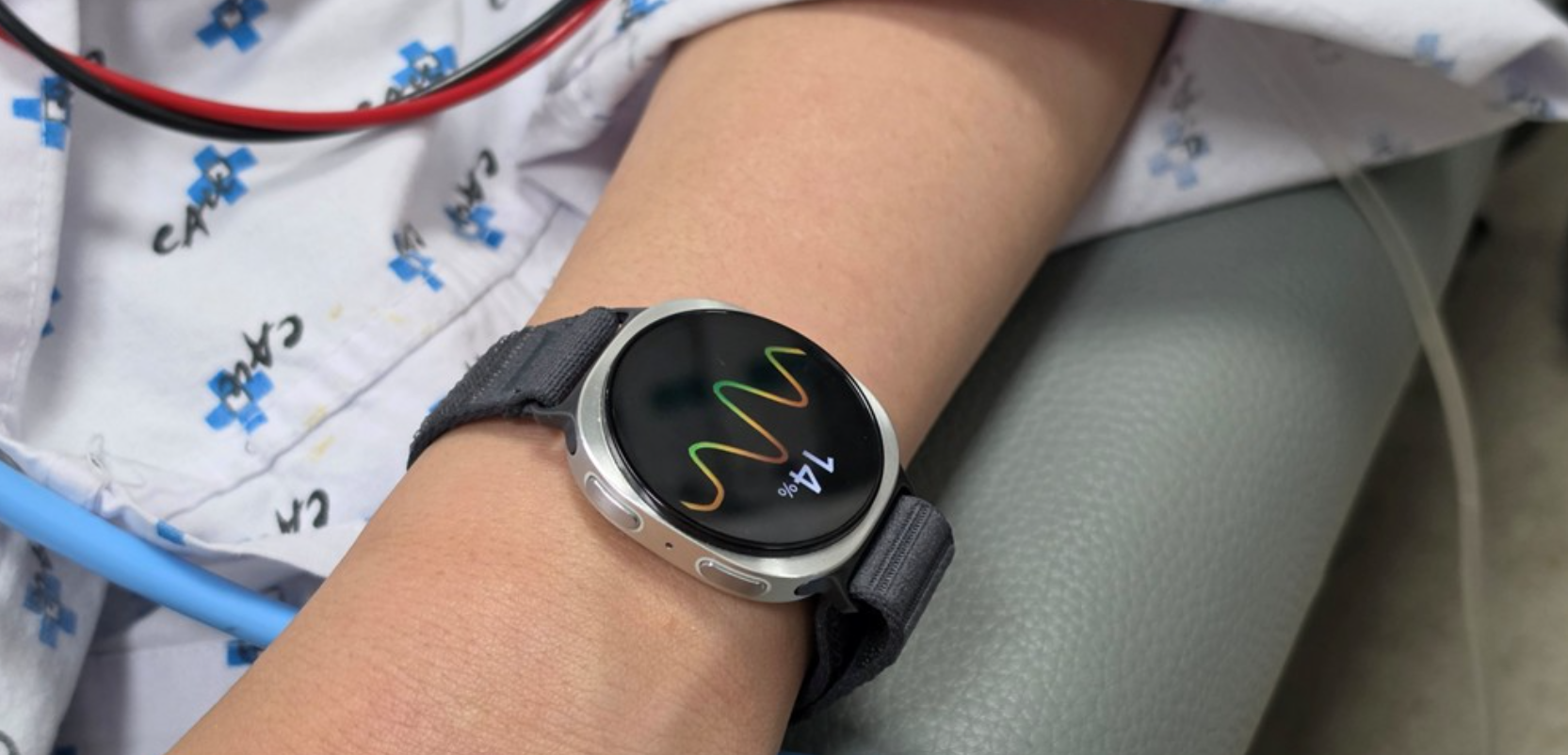
Wearables started as step counters in earlier phase, then became heart-rate and sleep trackers. Now Samsung has announced a much bigger leap. A clinical study showing Galaxy Watch can help predict fainting, a sudden drop in blood flow to the brain or sudden drop in heart rate and blood pressure, issue in human beings in advance. If this capability reaches to real-world consumer, then this feature could be one of the most meaningful health upgrades in smartwatch history.
The announcement is specifically about vasovagal syncope (VVS), a common form of fainting triggered by sudden drops in heart rate and blood pressure. The fainting event itself is often temporary, but falls can cause serious injuries. That is why even a few minutes of warning could make a practical difference in real life.
What Samsung Announced and What the Study Found
Samsung said a joint study with Chung-Ang University Gwangmyeong Hospital in Korea evaluated 132 patients with suspected VVS during induced fainting tests. Using biosignals from Galaxy Watch6 (especially heart-rate variability patterns captured through PPG), the team applied an AI model to predict impending fainting episodes.
The reported performance is notable, prediction up to about five minutes in advance with around 84.6% accuracy, alongside sensitivity and specificity figures that were described as clinically meaningful. Samsung also described this as a world-first demonstration of this kind on a commercial smartwatch platform.
One important clarity for readers: this is a research outcome, not an immediately available consumer feature in your current watch settings. So the breakthrough is real at study level, but public rollout depends on additional validation, product integration, and regulatory pathways.
Why This Matters for Users in India and Beyond
For everyday users, this is about safety as much as convenience. People with recurrent fainting risk, anxiety-triggered episodes, or sudden blood-pressure fluctuations may benefit from early alerts if the feature is eventually released in a robust form. Even basic warning time can help someone sit down, call for help, or move to a safer position.
For the healthcare ecosystem, this points toward a larger shift; wearables moving from “wellness tracking” to preventive care support. Hospitals and clinicians could eventually use such signal-based tools for risk screening, remote monitoring, and follow-up care—especially in places where specialist access is limited.
For India specifically, this kind of wearable intelligence can become relevant in high-density cities, travel-heavy routines, and aging populations where immediate preventive prompts can reduce emergency incidents. But adoption will still depend on affordability, device penetration, and clinical trust.
What Comes Next: Promise, Caution, and Practical Reality
This announcement is exciting, but the next steps matter more than the headline. Samsung will need broader testing across diverse populations, real-world environmental conditions, and different health profiles. Medical false positives and false negatives also need careful management before any mass rollout.
So, should users act today? Yes—but in the right way. Think of this as a preview of future preventive health technology, not a replacement for medical consultation. If you already have fainting symptoms or unexplained dizziness, clinical evaluation remains essential.
In summary, Samsung’s fainting prediction study is a strong signal that wearables are entering a new phase of practical healthcare utility. If the company successfully converts this research into a reliable user feature, it could set a new benchmark for AI-driven preventive health on the wrist.
Discover more from Newskart
Subscribe to get the latest posts sent to your email.

Comments are closed.