

Ola Electric’s March Pricing Campaign (From ₹49,999)-Ola Gen 3 S1 X (2kWh) vs Roadster X (2.5kWh)


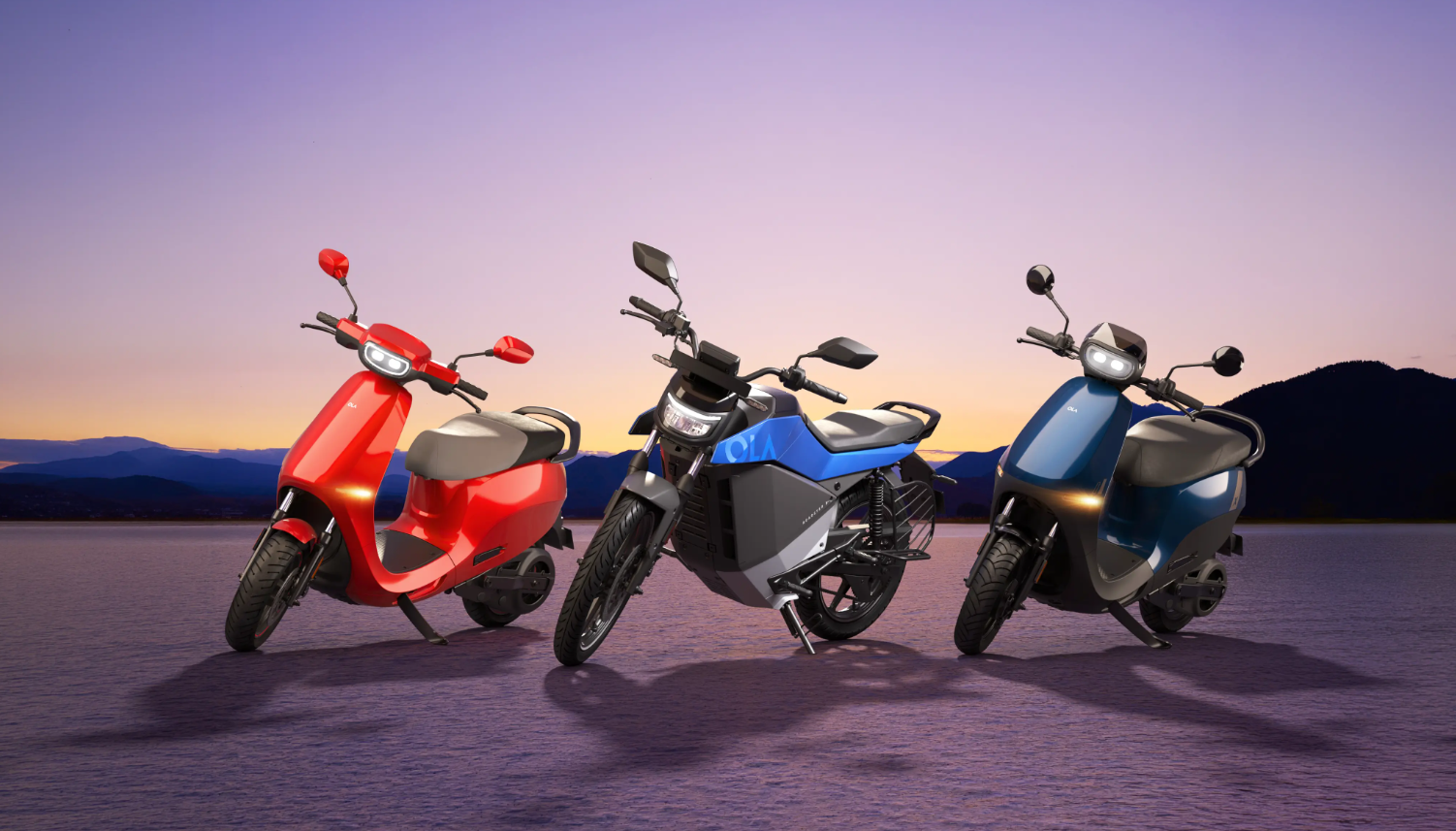
If you were planning to buy an electric two-wheeler in India, March 2026 gave you a big reason to pause and compare offers carefully. On 27 March 2026, Ola Electric’s limited-period pricing push became one of the most discussed EV updates, mainly because select models were promoted at a starting point of ₹49,999.
At first glance, this looks like a simple discount headline. But when a major EV brand changes pricing and bundles benefits close to month-end, it usually has a larger market impact. It influences buyer decisions, competitor strategies, and short-term sales momentum across the segment.
This article breaks the campaign down in simple language: what was announced, which models were highlighted, who should consider it, and how it compares with rival EV players.
What Ola Electric Announced
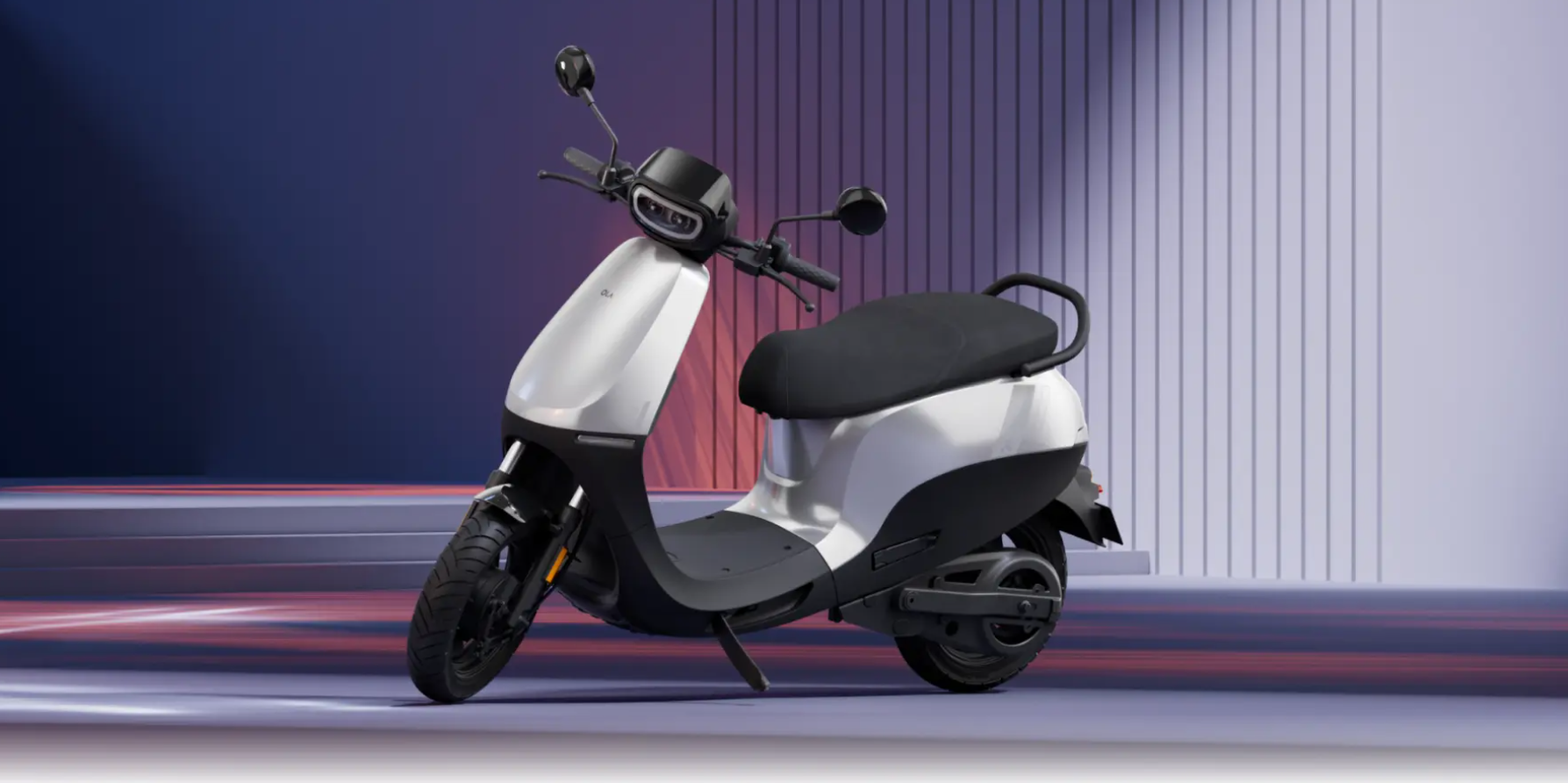
Under its March campaign messaging, Ola Electric highlighted select products at entry pricing from ₹49,999 and also mentioned benefits up to ₹50,000 across its scooter portfolio. Coverage around 27 March 2026 linked this push to the broader #EndICEAge campaign narrative.
Two model references repeatedly surfaced in reports:
- Gen 3 S1 X (2kWh)
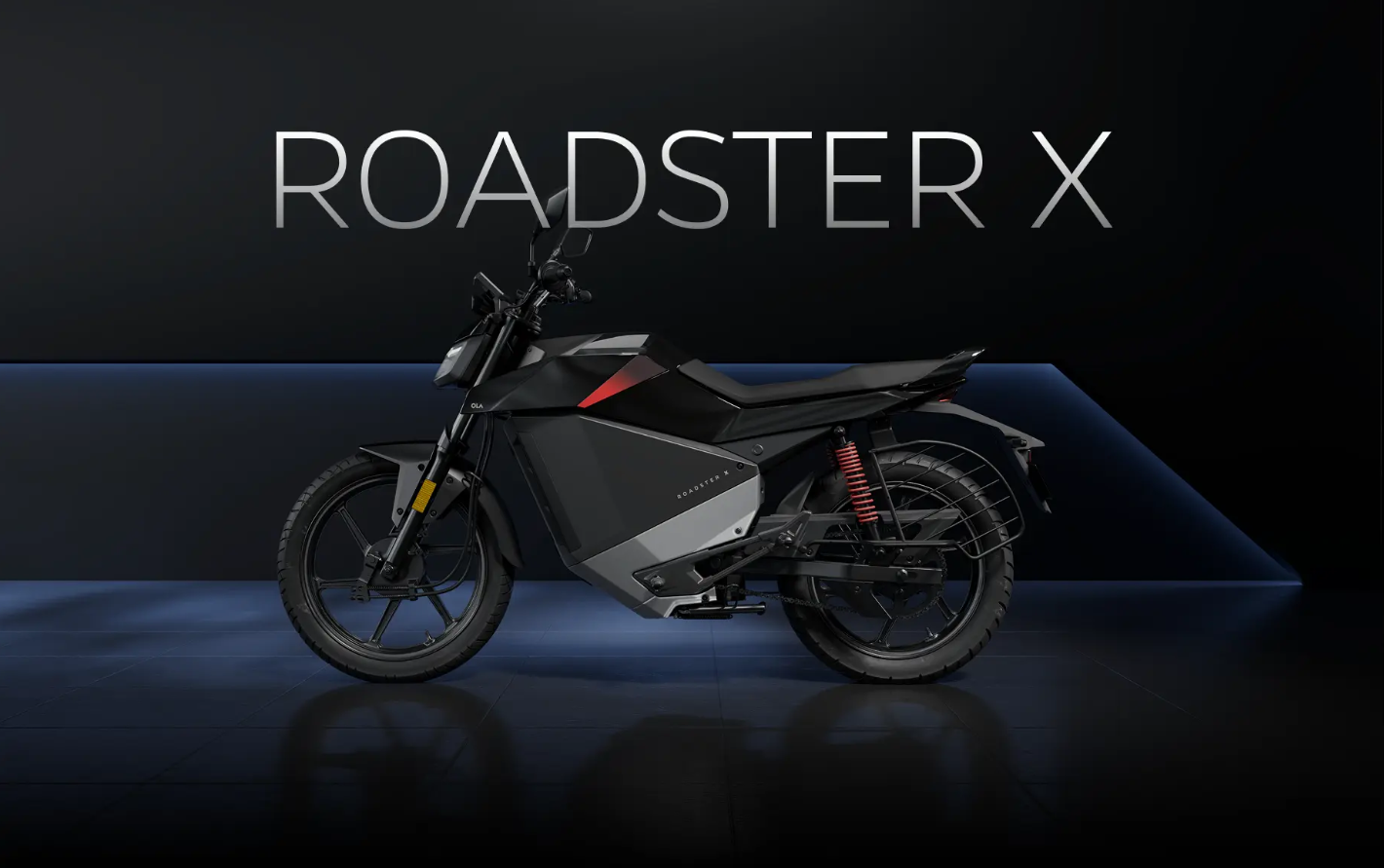
- Roadster X (2.5kWh)
Ola EV Quick Specs (India)
S1 X Gen 3 (2kWh) vs Roadster X (2.5kWh)
Note: Specs/prices can change by update cycle, city, and campaign period. Recheck before publishing final price claims.
The campaign window was reported as valid through 31 March 2026, making it a classic “limited-time” pricing strategy designed to improve conversion before month-end and quarter-end cycles.
Why This Campaign Matters
Price sensitivity is still very high in India’s two-wheeler market. For many buyers, EV adoption is not only about sustainability. It is mostly about:
- upfront cost
- daily running cost savings
- battery confidence
- long-term ownership value
So when a known brand pushes a low headline entry price, it can pull first-time EV buyers into active consideration, even if they were previously undecided between petrol and electric.
In short: this campaign was not just a discount. It was a demand trigger.
Practical Buyer View: What Should You Check Beyond the Headline Price?
The “starting from ₹49,999” number is attractive, but smart buyers should evaluate total ownership clearly before booking. Here are practical checkpoints:
-
Exact eligible variant
Confirm which exact model and battery pack is covered at that price point. -
Offer validity and conditions
Check if the offer is tied to specific dates, locations, payment modes, or inventory limits. -
On-road cost, not just ex-showroom marketing number
Insurance, registration (where applicable), accessories, and add-ons can change real payable amount. -
Warranty and service terms
Understand what is standard, what is offer-linked, and what is optional paid upgrade. -
Daily use fit
City commuting needs are different from high-distance daily use. Pick battery/range/performance accordingly.
This simple checklist avoids post-purchase regret.
How This Fits Into India’s Current EV Two-Wheeler Trend
The Indian electric two-wheeler market has been highly active through March 2026. Industry coverage indicates strong overall monthly momentum in the segment, supported by new launches, wider distribution, and promotional offers.
That context is important. Ola’s campaign happened in a month where competitors were also trying to maximize demand. So this is less about one isolated announcement and more about a competitive pricing phase in India’s EV market.
Competitor Impact: Who Else Is in the Fight?
Ola is not operating in a quiet market. The key competitive names in India’s E2W space include:
Top EV Competitors in India
TVS Motor
iQube and portfolio expansion strategy
Bajaj Auto
Chetak positioning and scale
Ather Energy
Strong brand-led premium EV positioning
Hero’s EV Push
Scaling efforts across the electric two-wheeler category
Recent market reporting suggests that while Ola used aggressive pricing to stimulate demand, rivals were also improving market position through network expansion, product focus, and stronger month-level execution.
For buyers, this is good news. Competition usually brings better value, more offers, and faster product improvement.
Who Should Consider This Ola Offer?
This type of campaign may suit:
- First-time EV buyers looking for lower entry pricing
- Daily city commuters who want to reduce fuel spend
- Budget-conscious households exploring second vehicle options
- Younger buyers willing to adopt digital-first mobility products
But it may not suit everyone automatically. If your daily run is high and charging access is limited, evaluate total practicality before deciding.
What Risks Buyers Should Keep in Mind
Even strong promotional campaigns should be viewed with balance. Key points to verify:
- real-world range vs expected usage
- service support quality in your city
- spare/repair turnaround expectations
- resale and long-term ownership confidence
A good EV purchase decision is not only about launch-time discount. It is about comfort over the next 3–5 years.
Bigger Strategic Meaning of the Campaign
From a business perspective, this campaign also signals something important: India’s EV market is entering a phase where pricing, financing, and trust-building offers may matter as much as pure product specs.
Brands are now competing not only on motor power and design—but also on affordability psychology, warranty messaging, and ownership ecosystem confidence.
That shift can speed up EV adoption if brands execute consistently beyond promotional windows.
Conclusion & Key Takeaways
Ola Electric’s March 2026 pricing campaign from ₹49,999 on select models is one of the most visible affordability pushes in India’s recent EV two-wheeler cycle.
For consumers, it creates a genuine opportunity—but only if evaluated with full cost and usage clarity. For the market, it raises competitive intensity and pushes rivals to sharpen their own value proposition. And for the EV ecosystem overall, it reinforces one clear trend: India’s transition is now being shaped by practical pricing plus ownership confidence, not just technology headlines.
If you are planning to buy an EV soon, use this moment wisely: compare variants, verify final costs, and choose based on your real riding pattern—not only promotional buzz.
Image credit – Ola-electric
Discover more from Newskart
Subscribe to get the latest posts sent to your email.

Comments are closed.