


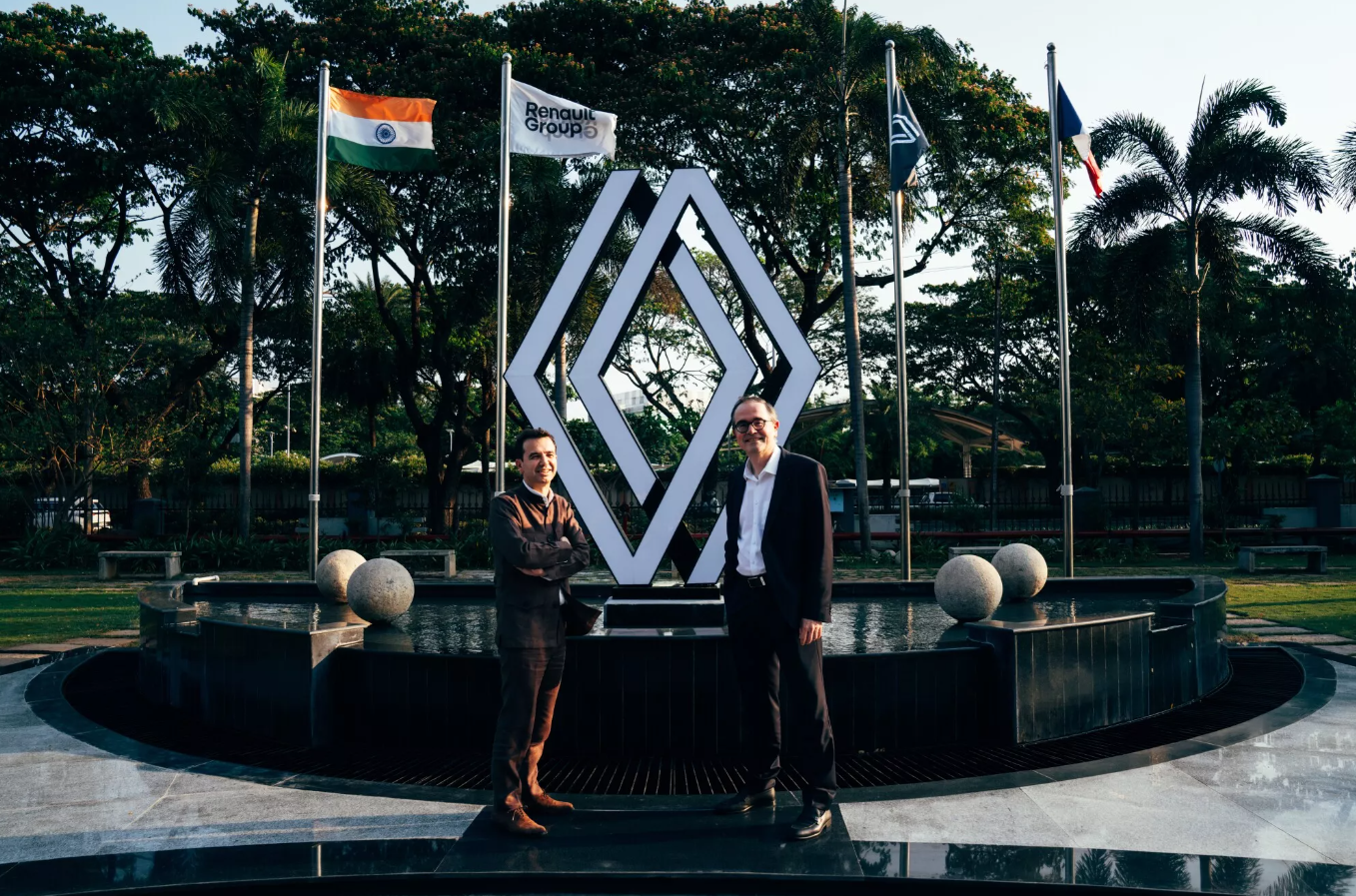
If you follow car news in India, this is one of the most important long-term updates of 2026. Renault has announced a fresh India strategy that includes seven models by 2030, with a clear push on new-age powertrains and local growth.
The news carries practical signals for buyers, suppliers, and the broader auto market. More launches usually mean more choices, better feature competition, and stronger pressure on pricing. It is simple to say that Renault is betting bigger on India. The company has publicly said India is expected to become one of its top global markets by the end of this decade. For Indian consumers, that is the “good news” core of this story.
What Renault Announced for India
As per Renault’s leadership which is outlined in the press release that the brand plans to have seven models in India by 2030. This includes a mix of vehicle sizes and fuel technologies, with emphasis on not just traditional engines, but also electrified options (EVs).
Reports citing the Chennai event indicate the strategy is linked to Renault’s larger “futuREady” plan. The India leg includes stronger local manufacturing relevance and a wider product basket than what Renault has offered in recent years.
Another key point is that this is not being framed as a short campaign. It is a multi-year plan tied to market share, exports, and portfolio expansion.
The Good News: Why This Is Positive for Buyers
When a global manufacturer commits to a country with a multi-model roadmap, consumers usually benefit in four ways.
- More options in each budget band
Buyers can expect broader choices across compact and SUV categories. - Better feature competition
Brands are forced to improve infotainment, safety tech, and comfort to stay relevant. - Powertrain diversity
As per reported strategy direction, Renault is looking at ICE, hybrid, CNG, and EV pathways. - Potential value pressure in competitive segments
More products in crowded categories can improve value-for-money positioning.
So yes, the direct good news is not only “seven cars are coming.” The bigger good news is a likely rise in competition quality for Indian customers.
Renault futuREady India: Key Highlights
Important points from Renault Group’s official 16 April 2026 announcement.
Top 3 Market Goal
Renault aims to make India one of its top three global markets by 2030.
7 Models by 2030
Portfolio to expand to seven multi-energy vehicles, tailored for Indian market needs.
Electrification Push
Powertrain strategy spans ICE, hybrid options, and fully electric vehicles.
Customer Promise
Under “Renault Forever,” the brand highlights stronger service quality and a 7-year warranty for Indian customers.
Tech Hub Vision
Renault positions India as a technology center of excellence with a major engineering base in Chennai.
Export Ambition
Group target: €2 billion annual exports by 2030 across vehicles, R&D, and components.
More products, more powertrain choices, deeper India localization, and stronger long-term commitment can improve buyer options and competition.
EV and Electrification Signal: A Big Strategic Shift
Multiple credible reports citing Renault’s leadership suggest that electrified vehicles are expected to account for a major share of Renault’s India sales by 2030. This indicates long-term planning beyond conventional fuel-only strategy.
For many Indian buyers, EV adoption still depends on practical concerns: range confidence, charging convenience, and ownership cost. If a global player brings more locally relevant products and scale, it can help improve trust in electrified mobility.
Even for non-EV buyers, this shift matters. As automakers invest in hybrid and efficient platforms, overall technology standards in mainstream segments usually go up.
Market Share and Scale Ambition
Renault has also indicated a target to move from a very small India share currently to around 5% by 2030 (as reported by ET). That is an aggressive jump and can only happen if products are market-fit, priced right, and widely distributed.
This ambition tells us one thing clearly: Renault is not planning to remain a niche player in India. It wants meaningful volume relevance. For consumers, this can translate to better dealership confidence, stronger after-sales focus, and more long-term brand commitment.
Competitor Check: Where Renault Will Face Pressure
Renault’s roadmap is ambitious, but the battleground is intense. Key pressure zones likely include:
Competitors
Renault’s India roadmap is strong, but competition is intense across key segments.
Mass SUV & Hatchback Battle
Hyundai, Maruti Suzuki, Tata, Kia, and Mahindra already have strong product depth, faster refresh cycles, and high brand recall.
EV Segment Pressure
Tata EV, Mahindra EV, MG, and BYD are building strong momentum in electric mobility, charging perception, and feature-led positioning.
Pricing & Value Sensitivity
Indian buyers compare variants aggressively. Even small pricing gaps can shift demand to better-equipped rivals.
After-Sales & Trust
Competitors with wider service reach and stronger ownership confidence can influence repeat purchase and referral behavior.
Renault can win with product-market fit, strong localization, and value-led positioning, but execution speed against entrenched rivals will be the real test.
Final Take: Why This Update Matters in 2026
This new launch by 2030 announcement is important because it combines product ambition, electrification intent, and India-centric growth focus in one plan. The good news for Indian users is clear: more choices, stronger competition, broader technology options, and potentially better market value over the coming years. Renault need to execute the plan as per the laid roadmap with the right product timing and pricing, then India’s car market could become even more dynamic by the end of this decade.
Discover more from Newskart
Subscribe to get the latest posts sent to your email.

Comments are closed.