

Kailash Mansarovar Yatra 2026 Goes Fully Digital-How To Complete Registration Process


The Kailash Mansarovar Yatra is one of the most meaningful spiritual journeys for many Indians. In 2026, it has also become a major governance and technology story. The government has opened registration for the yatra with a fully digital process, and that changes how pilgrims prepare, apply, and track their status. If you have followed older yatra systems, this year feels different. Instead of fragmented paperwork and unclear communication, the process is now centralized online, with route, eligibility, and selection details presented more clearly. That does not make the journey easy, but it does make the first step more transparent.
This article explains what opened on 1 May 2026, what “fully digital” actually means for applicants, how the selection process works, and how first-time pilgrims should plan practically.
In 1 May 2026, multiple reports citing Ministry of External Affairs (MEA) communication confirmed that Kailash Mansarovar Yatra registration was opened for the 2026 cycle. Some updates also note that the online window became active around 30 April 2026, while public reporting and wider circulation picked up on 1 May 2026.

Applications are online only through the official government-linked process.
- Last date to apply is reported as 19 May 2026.
- The yatra period is expected between June and August 2026.
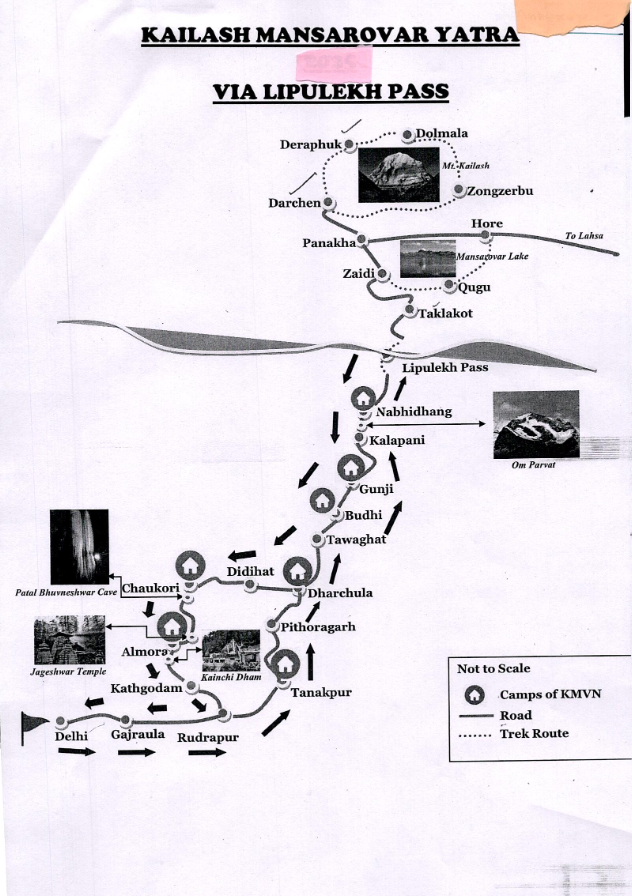
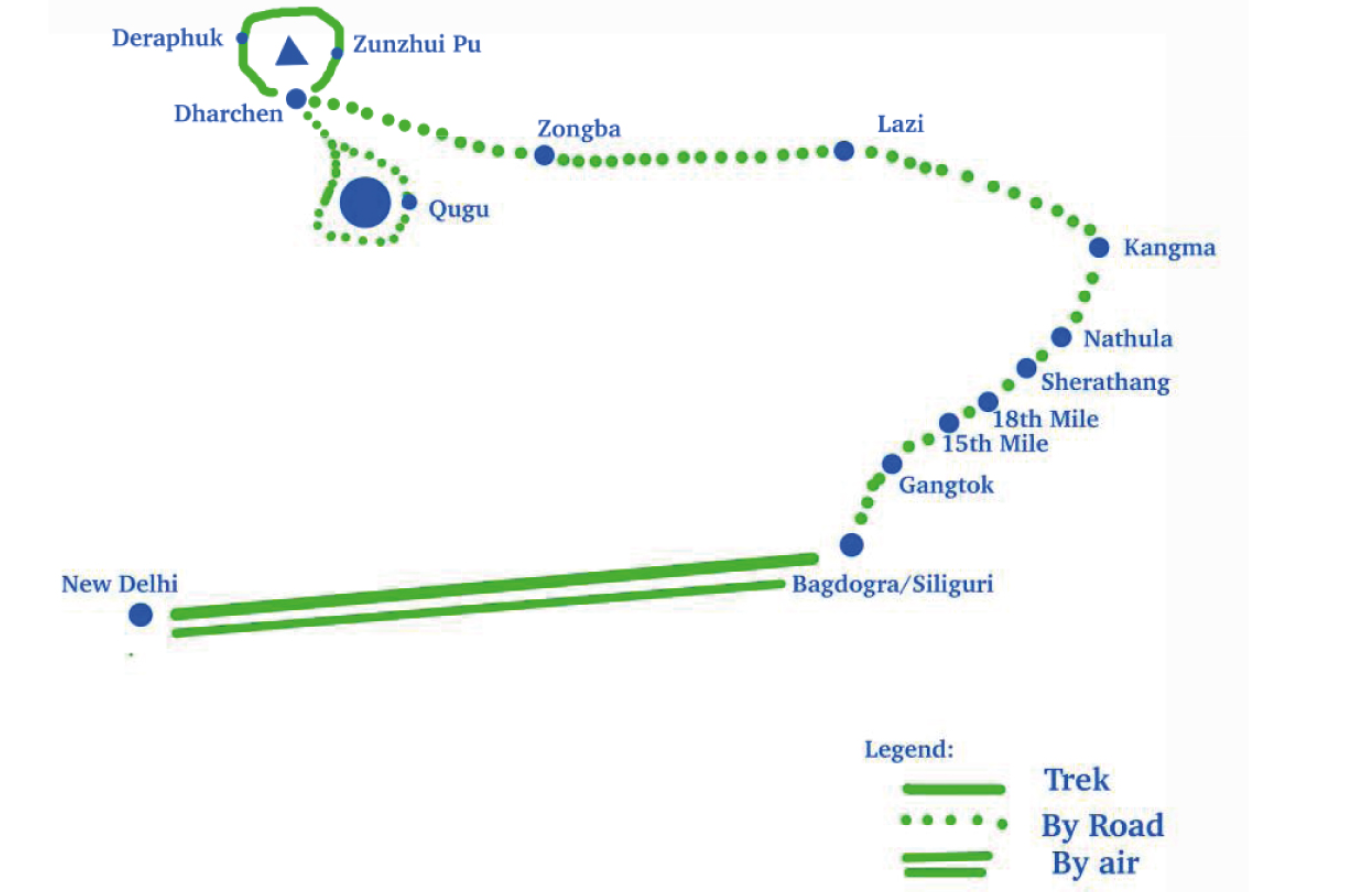
- Two routes remain central: Lipulekh Pass (Uttarakhand) and Nathu La Pass (Sikkim).
- The batch structure reported is 20 batches of 50 pilgrims each (total 2,000 pilgrims).
For applicants, this means the registration timeline is short and document readiness is critical.
A fully digital process typically includes:
- Online registration and profile creation
- Digital upload of required documents
- Structured eligibility checks
- Computerized selection workflow
- Online status communication and list publication
This has two direct benefits. First, it reduces middle-layer confusion and informal dependency. Second, it creates an auditable flow that is easier to track for applicants and administrators.
For a high-demand pilgrimage, this is a practical improvement. It does not remove competition for limited slots, but it improves process fairness visibility.
Eligibility, Documents, and Selection: What Applicants Should Prepare
Based on reported criteria in this cycle, applicants are generally expected to meet:
- Indian citizenship
- Valid Indian passport (with required validity conditions)
- Age criteria (commonly reported between 18 and 70 years)
- Medical fitness and high-altitude readiness requirements
Typical document requirements reported include identity and passport records, photographs, and health-related documents. Since this is a demanding high-altitude journey, health screening remains central, not optional.
Selection is reported to use a computerized draw mechanism to improve neutrality. This is important because demand usually exceeds available slots.
Online Registration Process
- Go to Kailash Mansarovar Yatra site by MEA (Ministry of External Affairs)
- Complete new user registration page by giving proper details like your name, dob, email and phone number etc.
- Now login into the site and complete rest of the requirements like passport information and other details and complete the process
Kailash Mansarovar Yatra Routes
Conclusion: Key Takeaways for 2026 Applicants
The 2026 registration opening marks a meaningful shift in how pilgrims enter one of India’s most revered journeys. The process becoming fully digital is not just an administrative upgrade; it is a transparency and access upgrade. For pilgrims, the message is simple: apply early, verify details carefully, and treat health preparation as seriously as spiritual preparation. The Kailash Mansarovar Yatra remains a deeply personal journey, but in 2026 it is also a digitally managed public process where readiness and accuracy make a real difference.
Facts Input- MEA
Discover more from Newskart
Subscribe to get the latest posts sent to your email.

Comments are closed.