

Triumph Tracker 400 to 350CC: What Changed, Why It Matters, and What It Means for Indian Riders in 2026


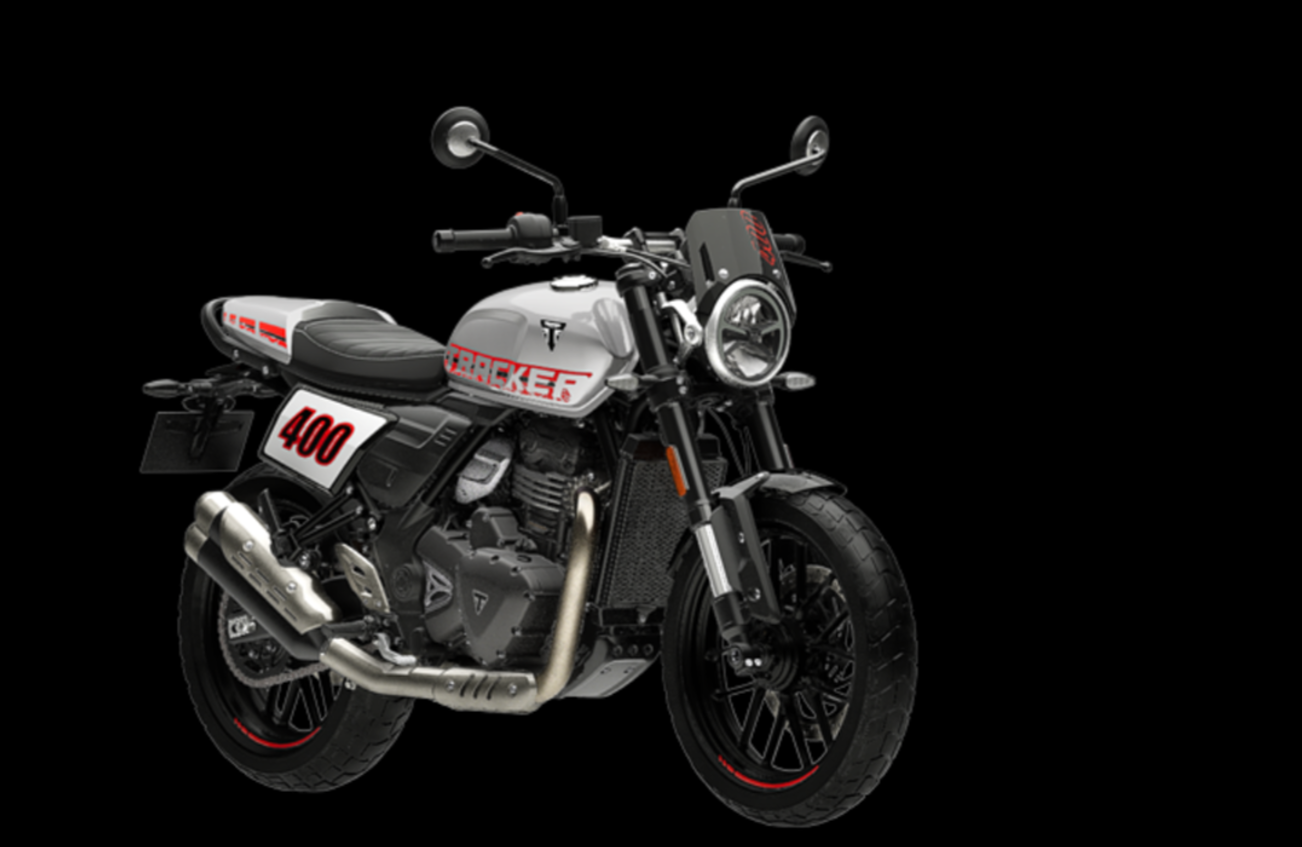
If you have been tracking new bike launches in India, the biggest surprise this month is clear: the new Triumph Tracker 400 has arrived with a 350cc engine setup for the Indian market. On paper, that sounds confusing. Why keep “400” in the name and move to 350cc underneath?
But once you look at pricing, taxation, and daily riding needs, the strategy starts to make sense. For regular buyers, this is not just a technical change. It can affect showroom price, EMI, running cost perception, and even how this bike competes against strong mid-capacity rivals. In this article, we will break it down in simple language so even first-time buyers can understand what changed and whether it is good news.
What Exactly Changed in the Tracker 400?
The India-launched Tracker 400 is being reported with a new 350cc-class liquid-cooled single-cylinder engine (around 349–350cc in reports), instead of the earlier 398cc-class setup seen in the existing Triumph 400 platform.
The key headline changes reported by auto publications include:
- Engine downsized from ~400cc class to ~350cc class for India-spec version
- Price announced around ₹2.46 lakh (ex-showroom)
- Power/torque slightly lower than the outgoing 400cc tune
- Positioning remains sporty, premium, and lifestyle-focused
So yes, it is still branded as a “400,” but mechanically it has moved to the 350 bracket for India. Let’s see full specification of the bike below.
Why Did Triumph Move from 400 to 350?
This is the most important part. When I’ve gone through multiple reports then main link to this move appears India’s revised tax environment where motorcycles under 350cc get a friendlier tax treatment compared with bikes above that threshold. In practical terms, this creates room for better pricing and stronger market competitiveness.
For buyers, the logic is simple:
- Lower tax pressure can help brands avoid sharp price jumps
- Better pricing can improve affordability and EMI comfort
- More competitive pricing helps the bike fight harder in a crowded segment
This is less about “downgrading” and more about adapting to Indian market economics while trying to protect performance and brand value.
Performance Impact: Will You Feel a Big Difference?
The reported output drop versus the older 400cc tune is present, but not massive on paper. For most city riders and weekend users, the difference may feel smaller than expected if gearing and tuning are done well.
Where you may notice a change:
- Hard acceleration at higher RPM
- Strong overtakes on open highways
- Top-end pull compared to full 400cc tune
Where many riders may not notice much:
- City commuting
- Short highway runs at normal cruising speeds
- Everyday mixed usage with occasional spirited riding
Practical example:
If your use is 70% city + 30% weekend rides, you may value price and ownership ease over marginal top-end power. But if you are a performance-first rider doing frequent high-speed highway rides, you may still prefer full 400cc alternatives.
Price and Ownership Impact for Indian Buyers
The biggest gain from this change is expected to be value positioning. At around ₹2.46 lakh ex-showroom (as reported), the Tracker sits in an attractive bracket for riders looking for premium badge value, modern features, and distinct styling without crossing too far into higher-budget territory.
Potential ownership-level impact:
- Better initial affordability
- Potentially better price-to-brand appeal
- Strong relevance for first premium-bike buyers upgrading from 150–250cc bikes
Another hidden angle: market perception. Many buyers care about “overall package” more than pure displacement numbers. If design, ride feel, and features remain strong, the 350 shift may not hurt demand as much as people first assume.
Competitor Check: Where the Tracker Fits
In India, the Tracker’s battle will be with lifestyle-oriented and performance-leaning motorcycles in the premium entry segment.
Final Verdict: Smart Market Move or Compromise?
In India’s current policy and pricing context, the move from 400 to 350 looks more strategic than accidental. Triumph appears to be balancing premium appeal with broader affordability.
Yes, there is a performance trade-off on paper. But for many real-world riders, the total package may still be attractive if pricing, ride quality, and ownership confidence stay strong.
The real test will be in showroom footfall, test-ride feedback, and waiting periods over the next few months. If buyer response is strong, this could become a blueprint for how global brands localize products for India without losing identity.
Discover more from Newskart
Subscribe to get the latest posts sent to your email.

[…] Triumph’s smaller-capacity modern classic/performance offerings […]
[…] earlier week also, popular bike Triumph Tracker 400 downsized its engine size to 350cc for the same […]