

MG Hector Hawk EV and Plug-in Hybrid Set for August 26 Launch, 7-Seat SUV Specs and PHEV Details Explained


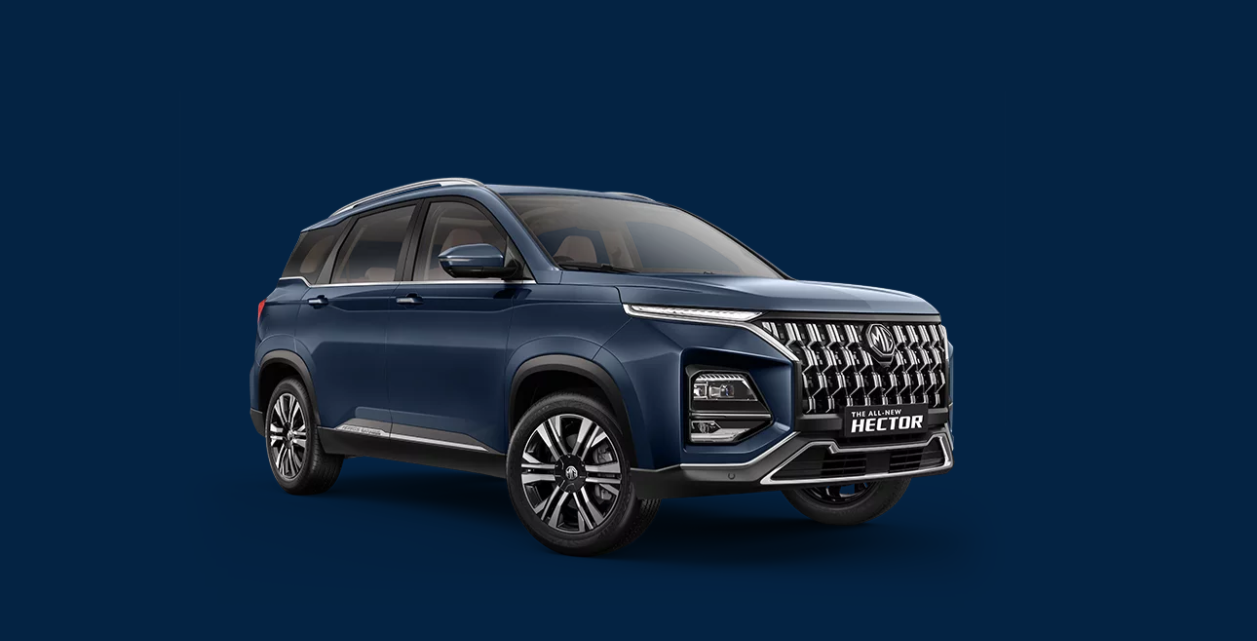
The MG Hector Hawk EV is now one of the most closely watched SUV launches of August 2026. JSW MG Motor is preparing to bring a new three-row electric SUV to India on August 26, and reports say it is likely to use the Hector Hawk name.
This will not be a simple electric version of the current Hector. The new SUV is expected to be linked to the Wuling Starlight 560 sold in other markets. That means it will have a fresh body, a new electric-ready platform and a different role in MG’s India line-up.
The electric version will arrive first. A plug-in hybrid version is expected to follow later in 2026, giving MG two different choices for family SUV buyers.
What makes the MG Hector Hawk EV important
The Hector Hawk EV matters because India still does not have many large electric SUVs with three rows of seats. Most EVs in the mass-market space are smaller city-focused cars or five-seat SUVs.
MG seems to be aiming at families who want one proper SUV for city drives, school runs, office use and long weekend trips. A seven-seat EV with decent range could appeal to buyers who like the size of the Hector Plus but want lower running costs.
The SUV will also be the first production model based on MG’s ADAPT platform. MG says this platform can support electric, hybrid, plug-in hybrid and range-extender vehicles. In simple words, it allows MG to build different clean-energy cars on the same base.
Expected size and design
The overseas Wuling Starlight 560 is 4,745 mm long, 1,850 mm wide and 1,770 mm tall. It has a 2,810 mm wheelbase. These numbers suggest the Hector Hawk EV should have enough room for three rows.
The design is expected to look more upright and practical than sporty. Reports point to slim daytime running lamps, separate main headlights, squared wheel arches and a straight tailgate. MG may change the grille, bumpers, lights and badges for India.
This is useful for Indian families because space matters more than fancy styling in this segment. A boxier shape usually helps with cabin room, luggage space and third-row comfort.
Expected battery, motor and range
The MG Hector Hawk EV is expected to use a 69.2 kWh lithium iron phosphate battery. LFP batteries are commonly used in EVs because they are known for durability and better thermal stability.
The electric motor is expected to sit at the front and produce around 204 PS and 310 Nm. That should be enough for smooth city driving and relaxed highway use.
The overseas model claims up to 530 km range on the CLTC cycle. However, Indian buyers should wait for the official India-certified range, because CLTC figures can be more generous than real-world driving. In daily use, range will depend on speed, AC use, load, traffic and charging habits.
Charging details are also expected to be a key talking point. The overseas version can reportedly charge from 30 percent to 80 percent in around 20 minutes with a suitable DC fast charger. MG still needs to confirm the India-spec charging speed, home charger details and battery warranty.
Expected features inside
The Hector name is already linked with big screens and feature-rich cabins, so expectations are high here too. The international model gets an 8.8-inch digital driver display and a 12.8-inch central touchscreen.
For India, the Hector Hawk EV could offer features like a panoramic sunroof, powered front seats, ventilated seats, wireless phone charging, automatic climate control, rear AC vents, 360-degree camera and connected car features.
ADAS is also expected, though the final feature list will depend on the variant. MG already offers ADAS on some of its Indian SUVs, so it would be natural for the Hector Hawk to carry similar safety tech.
Plug-in hybrid version explained
The MG Hector Hawk plug-in hybrid will be aimed at buyers who are interested in electric driving but do not want to depend fully on charging stations.
The PHEV version is expected to use a 1.5-litre petrol engine, an electric motor and a 20.5 kWh battery. The overseas model makes around 197 PS and 230 Nm. It also claims up to 125 km of electric-only range and around 1,100 km combined range.
Here is how that helps in real life. If someone drives 30 to 50 km daily and charges the SUV at home, many short trips can happen mostly on electric power. For longer trips, the petrol engine can take over or support the system.
But there is one catch. A plug-in hybrid works best when it is charged regularly. If the owner never charges it, the big battery becomes extra weight and the fuel-saving benefit drops.
Expected price and rivals
Early reports suggest the MG Hector Hawk range could sit around Rs. 20 lakh to Rs. 27 lakh, ex-showroom. The final price will depend on localization, battery cost, features and whether MG offers any battery subscription plan.
The closest electric rival will be the Mahindra XEV 9S, especially because it is also expected to target buyers looking for a larger electric SUV. The Tata Harrier EV could also come into the comparison, depending on pricing and range.
For the PHEV version, rivals may not be direct. Buyers could compare it with strong hybrids, diesel SUVs and premium petrol SUVs such as the Toyota Innova Hycross hybrid, Tata Safari, Mahindra XUV700 and MG Hector Plus.
Conclusion – Key takeaways
The MG Hector Hawk EV looks like a serious step for JSW MG Motor India. It is expected to bring seven seats, a large battery, a practical body shape and a claimed overseas range of 530 km.
The plug-in hybrid version could be even more interesting for buyers who want electric driving in the city and petrol backup on highways. Still, its success will depend heavily on price, real-world range, charging support and after-sales confidence.
For now, the August 26 launch should give us the final name, confirmed specs, variant details and official India pricing.
Facts Input- Cartoq, JSW MG Motor India
Discover more from Newskart
Subscribe to get the latest posts sent to your email.

Comments are closed.