

India-Netherlands AI, Semiconductor and Other Areas Roadmap-Key Highlights Shaping the Next Tech Decade


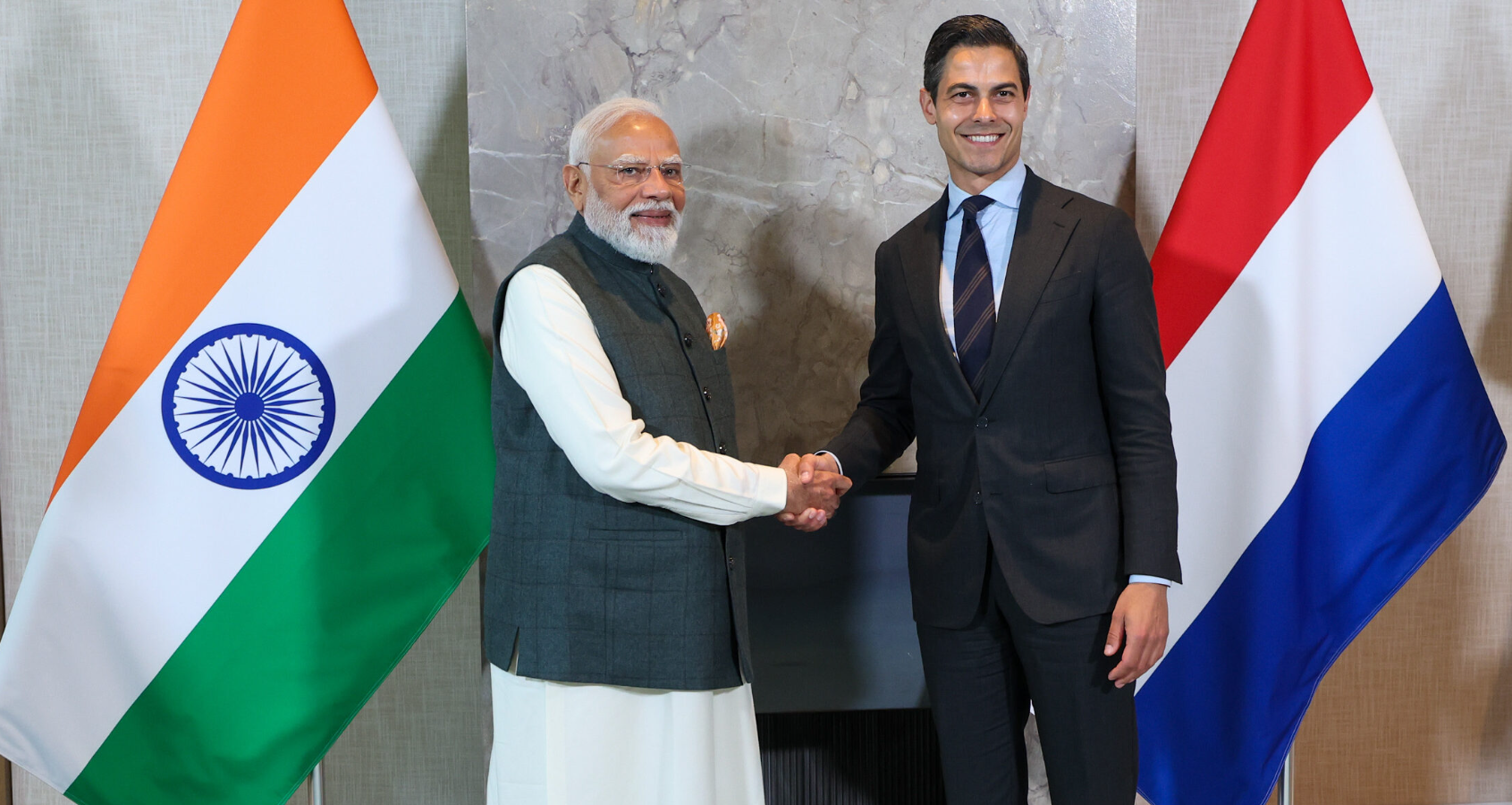
India and the Netherlands have moved their relationship to a new level with a strategic focus on future technologies. The biggest headline is clear which focuses that both countries want deeper cooperation in AI and semiconductors, two areas that will define economic strength, digital sovereignty, and industrial competitiveness in the coming decade.
This is not just a diplomatic update. It has practical value for startups, manufacturers, researchers, and policymakers. Semiconductors power everything from smartphones to defense systems, while AI is becoming core to finance, healthcare, manufacturing, logistics, and public services.
So when two complementary ecosystems collaborate, it matters. The Netherlands brings world-class semiconductor capability and precision tech expertise. India brings market scale, engineering talent, policy momentum, and growing manufacturing ambition. Let’s explore the most important highlights of this roadmap.
What Changed – Strategic Partnership With a Tech Core
During Prime Minister Narendra Modi’s Netherlands visit on May 16–17, 2026, both sides adopted a joint statement and a strategic partnership roadmap. Semiconductors and AI were explicitly listed among priority sectors, along with areas like green hydrogen and critical technologies.
In simple terms, this means technology cooperation is no longer a side topic. It is now central to bilateral planning. A major related development was the Tata Electronics – ASML MoU, signed in the Netherlands. ASML is one of the most important companies globally in chipmaking equipment, and the partnership is aimed at supporting India’s semiconductor manufacturing ecosystem, including Tata’s fab plans in Dholera, Gujarat.
Why this matters is because chip ecosystems are not built by one company alone. They need tooling, process know-how, talent pipelines, supply chains, and long-term partnerships. This deal signals that India is trying to build exactly that.
Key Highlights of the India-Netherlands AI & Semiconductor Roadmap
1) Semiconductor cooperation is moving from intent to execution
Earlier, conversations were mostly about ambition. Now we are seeing concrete institutional and company-level actions. The ASML–Tata agreement is a strong indicator that India’s semiconductor push is entering a more operational phase.
2) AI is being treated as a strategic economic layer
The roadmap highlights AI as a core cooperation area, not just a research topic. This opens room for collaboration in AI infrastructure, talent exchange, applied research, and sectoral AI use cases.
3) Supply chain resilience is a shared objective
Global chip supply disruptions over the last few years changed policy thinking worldwide. India and the Netherlands are framing cooperation around reliability, trusted production, and long-horizon ecosystem building.
4) Talent and knowledge exchange are central
Deeptech growth depends on skilled people, not only capital. Both sides are emphasizing technical collaboration and capability development, which is crucial for fab operations, chip design support, and AI deployment quality.
5) Bilateral tech ties are being linked to broader economic strategy
Semiconductors and AI are not treated in isolation. They are being connected to trade, industrial policy, digital transformation, and future competitiveness.
Practical Impact – What This Means for India on the Ground
For general readers, this may sound high-level, but the effects can be very real which may appear in later stage like-
- Better local capability in electronics and chip-linked manufacturing
- More opportunities for engineers in process, tooling, design support, and AI
- Stronger ecosystem confidence for global and domestic investors
- Potential improvements in long-term supply stability for critical sectors
A simple example is if India strengthens domestic semiconductor capability with global partners, hardware-dependent sectors like telecom, automotive electronics, and industrial automation may face fewer future stoppers.
For AI, cooperation can support applied innovation. We need to think smarter in manufacturing lines, need to improve logistics planning, and to create better language-aware digital services built for Indian users.
key highlights from the official India-Netherlands joint statement (May 16, 2026)
- Ties upgraded to a Strategic Partnership
India and the Netherlands formally elevated bilateral relations and adopted a Strategic Partnership Roadmap (2026–2030). - AI and semiconductors made core priority sectors
Both countries placed critical and emerging technologies at the center, including AI, semiconductors, quantum, cyber, and space. - Semiconductor cooperation got a formal framework
Leaders welcomed an MoU on semiconductors and related technologies, covering investment, research, and talent exchange. - Institutional chip-ecosystem links were strengthened
The Dutch Semicon Competence Centre is being connected with India Semiconductor Mission initiatives, plus continuation of the Indo-Dutch Semicon Online School. - Major academia-industry talent bridge announced
A cooperation track was highlighted between Dutch universities (including Eindhoven and Twente), Indian institutes (IISc + IITs), and industry partners such as ASML, NXP, Tata, and CG Semi. - Cyber and digital security cooperation deepened
Both sides backed stronger coordination in cyberspace, cybercrime response, and secure digital infrastructure through annual consultations and new intent agreements. - Trade and investment facilitation expanded
They endorsed stronger economic mechanisms, including a customs cooperation agreement and use of platforms like the Joint Trade and Investment Committee. - Critical minerals added to strategic cooperation
A new MoU on critical minerals was welcomed, with focus on resilient supply chains, innovation, circularity, and standards. - Defence and security cooperation broadened
Both leaders supported deeper defence dialogue, potential industrial roadmap discussions, and wider cooperation on maritime and national security. - Education and research ties received a new push
A higher education MoU and broader university-to-university collaborations were highlighted to support long-term knowledge and innovation exchange.
Competitive Context- Why This Partnership Matters Globally
India is not building in an empty field. Other countries are also racing to secure AI and semiconductor value chains across the globe. In that context, partnerships with high-technology nations become a strategic advantage. The Netherlands has a highly specialized position in the global chip stack. India, meanwhile, is building policy-backed momentum through semiconductor mission initiatives and manufacturing-linked infrastructure. If both sides execute well, this can become a high-value complementarity model which can carry precision technology depth + large-scale implementation capacity.
Competition will remain intense, but this roadmap improves India’s position in the global technology race.
What to Watch Next
The real test begins after announcements. Here are five signals to track over the next 12–24 months-
- Speed of execution on fab-linked milestones in India
- Depth of technical collaboration beyond MoUs
- Skill development outcomes and talent pipeline growth
- AI collaboration translating into real industrial applications
- Policy continuity and coordination across institutions
If progress is visible in these areas, this partnership could become one of India’s most important technology bridges in this decade.
Conclusion- A Timely Partnership With Long-Term Potential
The India-Netherlands AI and semiconductors roadmap is a timely and strategic move. It reflects a shift from broad intent to focused technology cooperation at a moment when global digital and industrial competition is accelerating. For India, the opportunity is significant which includes stronger semiconductor capability, higher-value engineering roles, and deeper AI integration across sectors. For the Netherlands, India offers scale, talent, and a growing platform for long-term collaboration.
So, the point to focus is simple that this is not just about one deal or one visit. It is about building the foundations of a more resilient, innovation-led digital future.
Discover more from Newskart
Subscribe to get the latest posts sent to your email.

Comments are closed.