

The Hosteller Raises INR 150 Crore Series B: Why This Backpacker Hospitality Bet Could Reshape Budget Travel in India


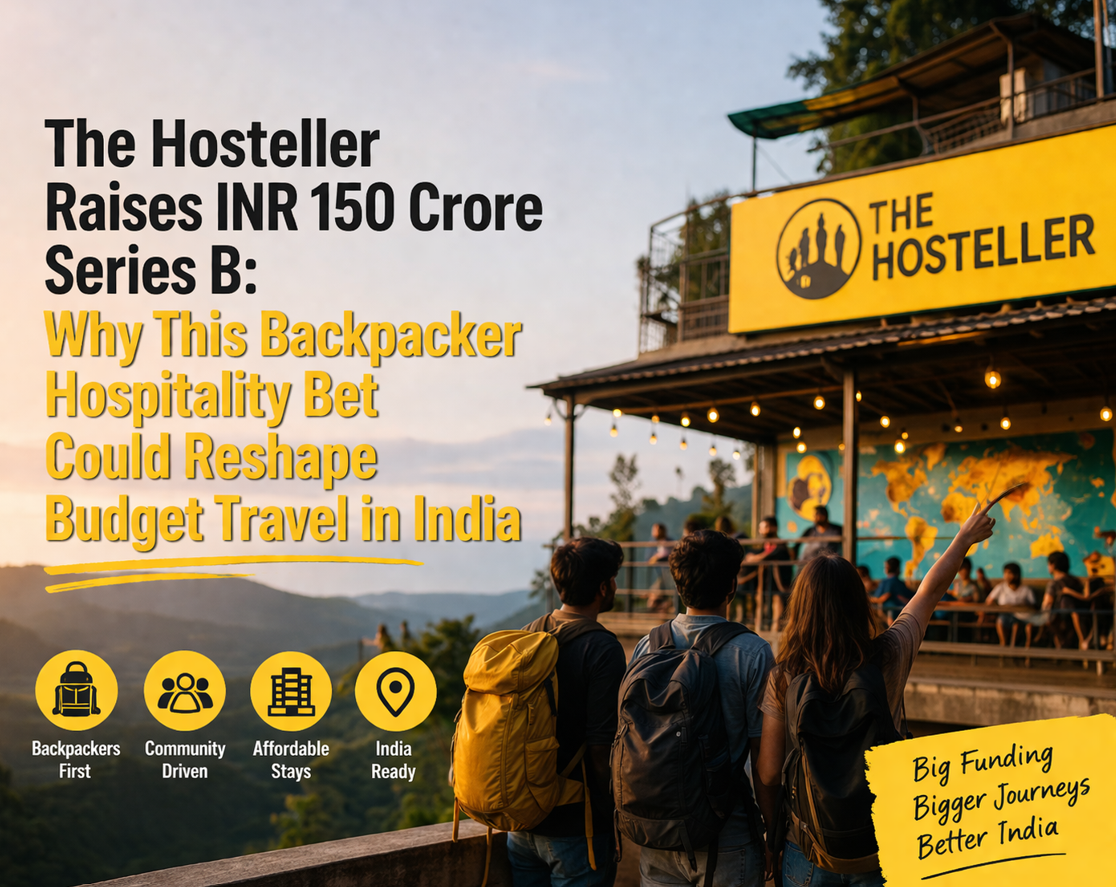
If you follow India’s startup space, you have probably noticed one trend becoming stronger every year: young travelers want better experiences, not just cheaper rooms. That shift is exactly why the latest update regarding the startup Hosteller Series B funding is getting so much attention.
The company has announced a major funding round of INR 150 crore at a time when domestic travel demand is high, backpacking culture is becoming mainstream, and digital-first booking behavior is now normal for students, solo travelers, and young professionals. In simple words, this is not just a funding event. It is a scale-up signal for India’s affordable travel ecosystem.
For a beginner reading this, think of it this way: if budget hotels made predictable stays popular, branded hostels are trying to make social travel and community-led stays popular. This round gives The Hosteller more fuel to grow that category faster.
What Happened in This Funding Round
The Hosteller has reportedly raised INR 150 crore in Series B funding, with the round led by PROMAFT Partners and V3 Ventures, along with participation from other investors including ITI Growth Opportunities Fund, Merisis Wealth Trust, and family offices.
The company has said this is the largest institutional fundraise by a backpacker hostel chain in India. That statement is important because it signals investor confidence in a niche that many people earlier considered too fragmented and too location-dependent.
If this claim holds over time, it may become a reference point for other travel startups trying to raise growth capital in India’s experience economy.
Why Investors Are Interested Now
Investors usually back categories where user behavior is clear and repeatable. Backpacker-style travel in India now has several strong demand drivers:
- Young travelers prefer experiences over luxury labels.
- Short leisure trips and remote-work travel are no longer rare.
- Travelers increasingly trust branded budget options over unknown local stays.
The Hosteller appears to be positioned where these three trends meet. A chain format gives it operating consistency, while a hostel format keeps pricing relatively accessible for value-conscious travelers. That combination can be attractive for growth-stage investors who want businesses that are not purely discount-led.
The Hosteller’s Current Scale and Growth Direction
As reported, The Hosteller operates 75+ properties across 13 states and has served 20 lakh+ travelers. It also shared that it added more than 30 properties in the past year and expanded traveler capacity significantly.
The company is targeting 25,000 beds in the next 36 months and is also preparing a broader travel platform approach. If executed well, this can convert the brand from a “stay provider” into a fuller travel ecosystem play.
For readers, the key takeaway is simple: the company is trying to move from being just a hostel chain to becoming a larger travel consumption platform around stays, experiences, and services.
The Hosteller Working Model
How The Hosteller operates as a backpacker-first travel and stay platform.
1) Discover
Users explore hostels by destination, vibe, and travel theme (mountains, beach, city, workation, etc.).
2) Book
Direct booking engine with check-in/check-out flow; options include hostel stays, events, and workation plans.
3) Stay Experience
Standardized dorms/private rooms, common social areas, curated activities, and community-led on-ground vibe.
4) Retain & Upsell
Membership perks, wallet/discount incentives, longer workation stays, and repeat travel across multiple cities.
Core Revenue Streams
- Room bookings (dorm + private)
- Workation packages
- Events/trips and add-on experiences
- Membership-led repeat booking value
Experience Engine
- Community spaces for social interaction
- Events like city walks, music nights, group activities
- Wi-Fi and work-friendly setup for digital nomads
- Safety-focused operations and 24/7 assistance
Practical Example: What This Could Mean for a Traveler
Imagine a 24-year-old traveler planning a one-week circuit in Himachal or Uttarakhand. Today, they usually compare prices across apps, then separately search for local activities, bike rentals, or food recommendations. This process is messy and inconsistent.
If hostel brands become more integrated and tech-enabled, the same traveler could potentially book stay + activities + local transport in one place with better predictability. That is where funding like this matters at a practical level. It can improve real user experience, not just company valuation.
Practical Example: What This Could Mean for Property Owners
Hostel chains also work through partnerships and conversions in many destinations. For small property owners in travel towns, a branded partner can sometimes bring higher visibility, standardized processes, and occupancy support.
If expansion continues at pace, more local assets may enter organized hostel networks instead of operating as standalone unbranded units. That shift can gradually professionalize a large part of budget travel supply.
Competitor Check: Who Else Is in the Race
The organized backpacker hostel and youth-travel stay market in India includes known names such as Zostel, goSTOPS, and other regional operators, along with indirect competition from budget hotels and homestay platforms.
Where The Hosteller may try to stand out:
- Wider destination spread and network scale
- Standardized on-ground brand experience
- Potential integrated platform strategy beyond room inventory
Where competition will stay intense:
- Occupancy consistency in seasonal destinations
- Price sensitivity in the budget segment
- Service quality standardization across rapidly expanding locations
So while this round is a big positive signal, long-term leadership will depend on execution quality, not only funding size.
Competitors
India’s backpacker and budget-stay market is getting sharper. Here is where The Hosteller competes and what separates each player.
The Hosteller
Network expansion, community vibe, and a push toward an integrated travel ecosystem.
Zostel
Strong early-mover brand recall and wide acceptance among frequent backpackers.
goSTOPS
Youth-first positioning with social stay experience in popular leisure routes.
Budget Hotels & Homestays
Massive indirect competition on pricing, location availability, and booking convenience.
What Will Decide the Winner?
- Consistent guest experience across all cities
- High occupancy with healthy unit economics
- Smart expansion in both tourist and emerging destinations
- Better repeat bookings through trust and community
Risks and Reality Check
Every growth story has constraints, and this one is no exception.
- Rapid expansion can stress training and service consistency.
- Destination-level regulations and local market dynamics vary widely.
- Building a “travel super app” is complex and execution-heavy.
- Unit economics must stay healthy even as expansion accelerates.
In short, the opportunity is big, but the next phase is operationally demanding. Investors seem confident, but the real scorecard will be occupancy quality, repeat user behavior, and sustainable margins over the next 2–3 years.
Why This Matters for India’s Startup Ecosystem
This development is not only about one company. It also reflects a broader narrative: Indian startup capital is moving into category-specific consumer infrastructure, not just broad horizontal internet bets.
If The Hosteller uses this capital effectively, it can become a case study in building a strong branded business in a fragmented offline-heavy category. That outcome would matter for founders in travel, hospitality, and experience-led commerce across India.
Conclusion
This funding is significant because it combines category maturity with investor conviction. It suggests that India’s youth-focused travel and hostel segment is entering a more organized and scalable phase. For travelers, this can mean better and more reliable budget experiences. For the market, it can mean stronger competition and faster standardization. For the startup ecosystem, it is a reminder that focused, execution-led businesses can still attract serious growth capital in 2026.
If the company delivers on expansion discipline and product consistency, this round may be remembered as an inflection point for organized backpacker hospitality in India.
Facts Input- YS
Discover more from Newskart
Subscribe to get the latest posts sent to your email.

Comments are closed.