

TakeMe2Space to Launch MOI-1A on October 1 – Why India’s Orbital Computing Satellite Matters


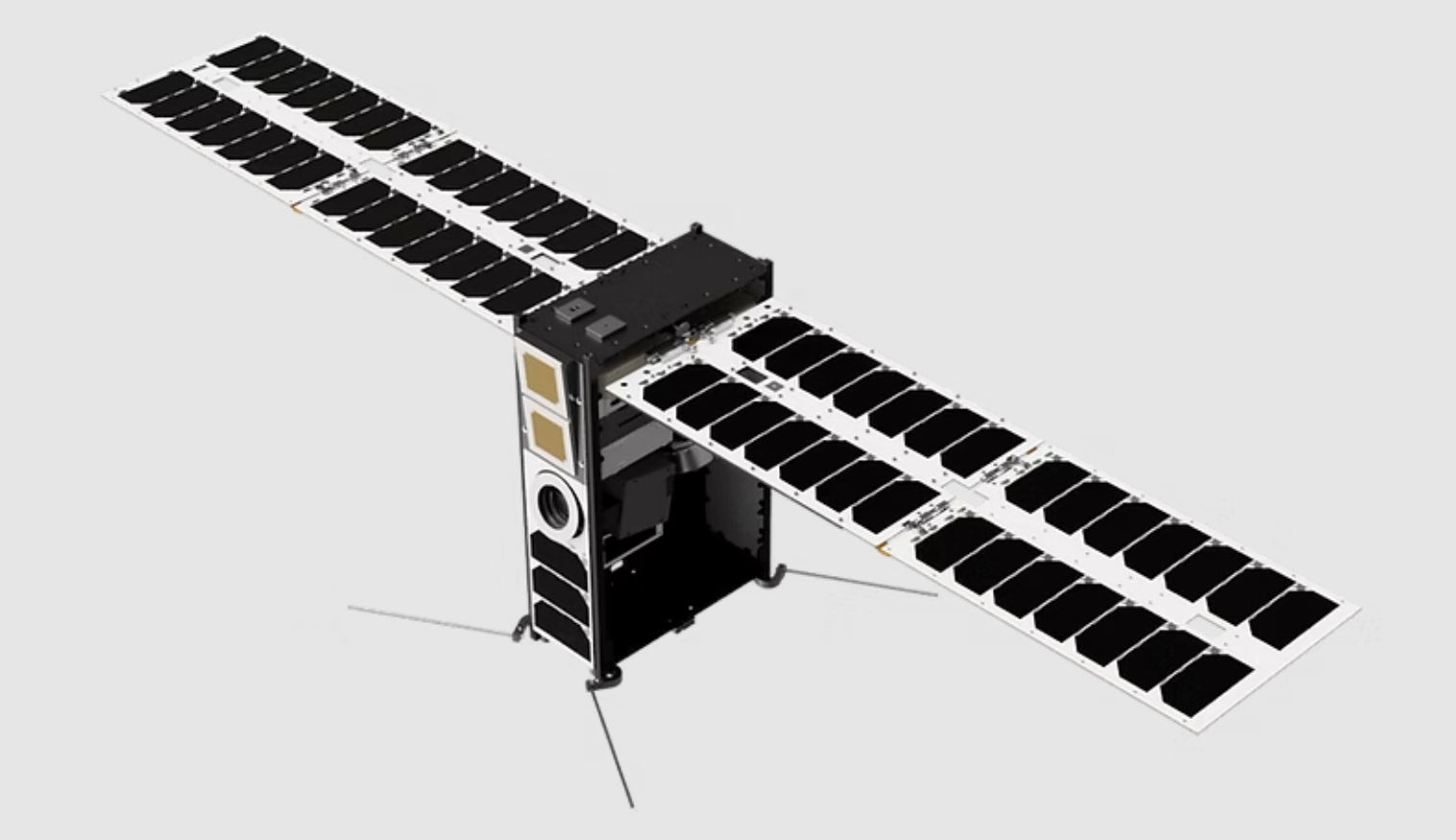
India’s private space sector is moving beyond building satellites that only collect data. Hyderabad-based startup TakeMe2Space is preparing to launch MOI-1A, an orbital computing satellite, on October 1, 2026.
As per the official website of startup, the satellite is scheduled to fly on SpaceX’s Transporter-18 rideshare mission. TakeMe2Space describes MOI-1A as India’s first orbital computing satellite. Its purpose is to process information in space instead of sending every piece of raw data back to Earth for analysis.
What is TakeMe2Space
TakeMe2Space is a Hyderabad-based spacetech startup founded in 2024 by Ronak Kumar Samantray.
Samantray is the company’s founder and chief executive officer. The startup is developing satellite infrastructure that can run artificial intelligence workloads in low Earth orbit.
The company has also developed OrbitLab, an approach that allows organizations and researchers to access computing resources in space. TakeMe2Space reportedly raised $5 million in seed funding in January 2026, led by Chiratae Ventures.
What MOI-1A will do
A normal Earth-observation satellite captures images and sends large data files to ground stations. Those files are then processed on Earth using data centres and cloud computers.
As per Spaceeconomyinstitute, MOI-1A is designed to perform some of that work while still in orbit. It will use Nvidia Jetson Orin NX-based computing hardware to run AI models and analyze information closer to where it is collected.
TakeMe2Space’s mission page lists 117 tera operations per second of computing power, 2TB of onboard storage and a nine-band multispectral imager. Multispectral imaging captures information across different light bands, which can reveal details that ordinary cameras may not detect.
The company lists MOI-1A as a 14kg, 6U CubeSat with a peak power figure of 120 watts. A CubeSat is a small, standardized satellite format that makes it easier for startups, universities and research groups to develop and launch spacecraft at lower cost than traditional large satellites.
Benefits of orbital computing
The biggest advantage is reduced data transfer. Satellites can generate more information than they can quickly send to Earth. If the satellite processes data first, it may only need to transmit important results instead of complete raw files.
For example, an AI system could examine images for signs of a forest fire, crop stress, flooding or changes in infrastructure. Instead of sending every image to a ground station, the satellite could identify the useful sections and send alerts or selected images.
This can provide several benefits:
- Lower communication and storage requirements
- Faster access to important information
- Reduced dependence on continuous ground links
- Support for real-time Earth observation
- New opportunities for research and education
- More efficient use of satellite bandwidth
The same idea could eventually support maritime monitoring, disaster response, defence observation and environmental research.
Why the October 1 mission is important
MOI-1A represents a shift from satellites acting as remote cameras to satellites performing some computing work themselves. This is similar to edge computing on Earth, where data is processed close to the device that creates it.
The project could also give Indian startups, universities and companies a platform for testing AI applications in space. TakeMe2Space has said it has signed 23 customers for the mission, including geographic information system companies and educational institutions.
Challenges ahead
Running computers in orbit is difficult. Satellites have limited power, communication windows and cooling options. Electronics must also handle radiation and extreme temperature changes.
The mission must first reach orbit and operate reliably. After that, TakeMe2Space will need to show that customers can use the platform consistently and that the cost is competitive with Earth-based cloud computing.
Traditional satellite operators, Earth-observation companies and space-data platforms remain indirect competitors. TakeMe2Space’s difference is its focus on processing and analyzing data in orbit rather than only collecting or transmitting it.
Conclusion – Key takeaways
- TakeMe2Space plans to launch MOI-1A on October 1, 2026.
- The satellite is scheduled to fly on SpaceX’s Transporter-18 rideshare mission.
- MOI-1A is designed to process AI workloads in low Earth orbit.
- Its benefits may include faster analysis, lower data-transfer needs and better use of satellite bandwidth.
- The mission could support climate monitoring, agriculture, disaster response and research.
- Its long-term success will depend on reliable operations, customer adoption and affordable access to orbital computing.
Image Credit- TakeMe2Space
Discover more from Newskart
Subscribe to get the latest posts sent to your email.
