

Sychedelic Raises $3.5 Mn in Seed Round-A Big Strategic move on AI-Powered Neurotech startup


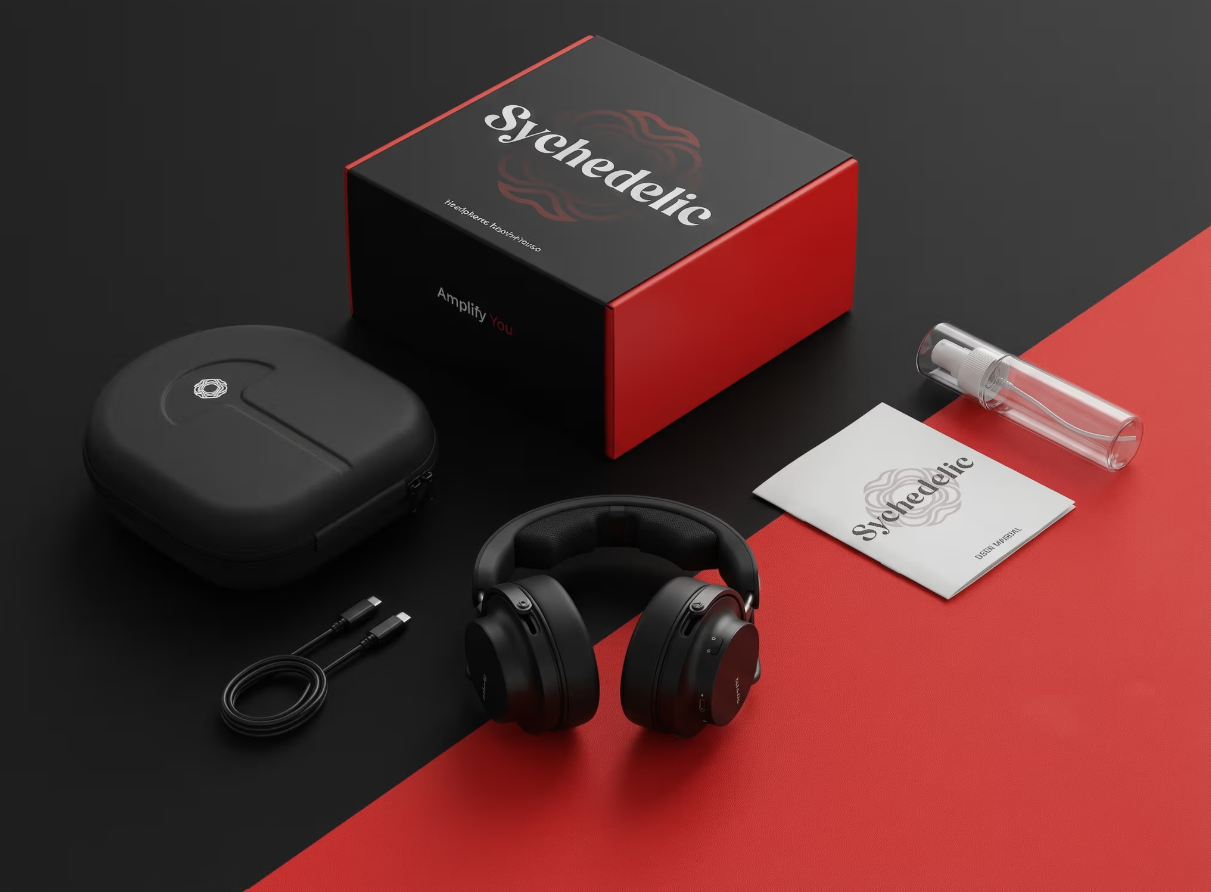
India’s neurotech and wellness space is getting more attention, and the latest trigger is Sychedelic’s reported $3.5 million seed round. This one stands out because it sits at the intersection of consumer hardware, AI, and mental wellness.
Sychedelic is building a product category that is still early in India i.e. neurotech-driven wearables aimed at helping users improve focus, reduce stress, and sleep better. If the company executes well, this could become a meaningful signal for where health-tech consumer products are heading next.
The bigger question is simple which is that what does this funding actually change, and why should users, founders, and investors care?
What Happened in the Round
As reported, neurotech startup Sychedelic secured $3.5 million in a seed round. The report frames the raise as part of the startup’s push to build AI-powered mental wellness products. Sychedelic’s own platform positions the product as a closed-loop neurotech headphone experience that combines biometric sensing with guided interventions. A key point for readers is that seed funding is not just cash for marketing. At this stage, capital usually goes into product reliability, hardware iteration, software stack improvement, hiring, compliance, and customer support readiness.
Founders and Company Background
Sychedelic is led by Ria Rustagi (Co-founder & CEO) and Bhavya Madan (Co-founder & CTO), the team has roots in earlier neurotech work under the Neuphony journey, and then repositioned toward intervention-focused consumer wellness. That transition matters. Many early brain-tech products focused on “tracking.” Sychedelic’s current direction is “tracking + action,” which is generally easier for consumers to understand. People usually do not want only stress data; they want practical support to feel better.
In product terms, this is a move from measurement-first to outcome-first.
Why This Funding Is Interesting
1) It validates a new consumer behavior
Users are increasingly willing to try wellness products that combine AI coaching, biometric feedback, and personalized sessions.
2) It reflects investor confidence in neurotech-adjacent hardware
Hardware startups are harder to build than software-only apps. A seed round in this category signals belief in long-term category potential.
3) It pushes mental wellness beyond traditional app formats
Most mental wellness tools are still content apps (meditation, journaling, therapy access). Sychedelic represents a more device-led model.
4) It could inspire follow-on funding in adjacent segments
If growth metrics look strong, more startups may enter focus/sleep/stress-tech with specialized products.
Practical Use Cases-Where This Product Category Fits
To understand the opportunity, think about daily scenarios where a student struggling to focus before exams, a working professional with high evening stress, a founder dealing with attention fatigue and poor sleep cycles and a creator who needs short recovery sessions between deep work blocks; in such cases this device may be useful.
If a product can measurably improve calmness and focus in these moments, users are likely to return. And repeat usage is what turns a gadget into a habit product. That is exactly where the real business moat is built.
What This Means for India’s Health-Tech Ecosystem
This round adds to a broader shift that the Indian founders are building deeper health-tech products, not only marketplaces or aggregation apps. Neurotech, longevity, recovery, and personalized wellness are becoming serious startup themes. If Sychedelic executes with strong product outcomes, transparent communication, and responsible claims, it could help normalize a new consumer segment in India which is preventive, neuroscience-informed daily wellness technology.
That would be an important development for both startup innovation and public health behavior.
Conclusion – Early Signal, High Potential, Execution-Heavy Journey
Sychedelic’s reported $3.5 million seed raise is a meaningful early vote of confidence in India’s neurotech-driven mental wellness space. The opportunity is real, but so is the complexity. The next phase will depend on execution based on product quality, user trust, measurable outcomes, and sustainable growth. If the startup gets those basics right, this could become one of the more interesting consumer health-tech stories to watch in the coming years.
Discover more from Newskart
Subscribe to get the latest posts sent to your email.

Comments are closed.