


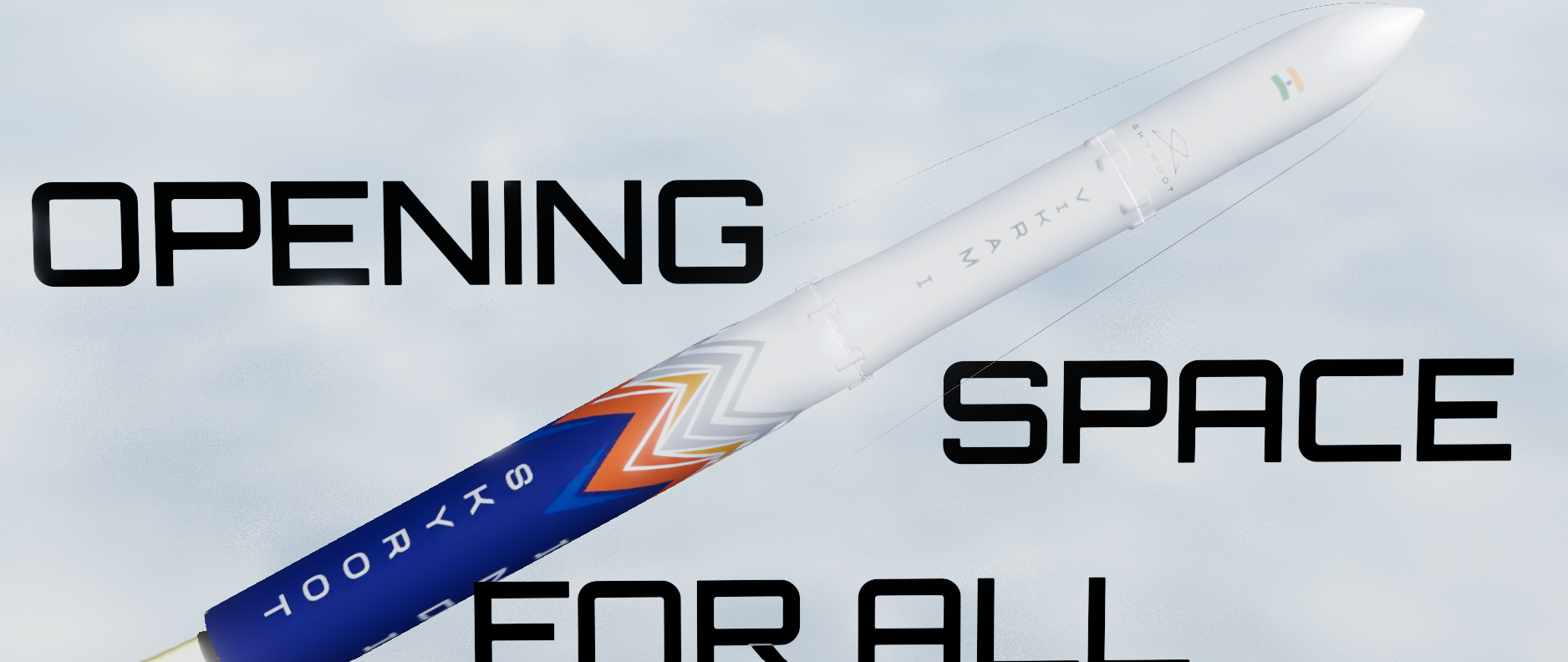
India’s private space sector is attracting larger investments, and Skyroot Aerospace is at the centre of this momentum. The Hyderabad-based rocket startup is reportedly in advanced discussions to raise between $280 million and $300 million from global investors.
If completed, the round could value Skyroot at around $2.8 billion to $3 billion. The discussions reportedly involve Fidelity, General Catalyst and Benchmark, although the final investment size, valuation and investor participation may still change.
What Skyroot Aerospace does
Skyroot Aerospace was founded in 2018 by former Indian Space Research Organization engineers Pawan Kumar Chandana and Naga Bharath Daka.
The company develops rockets designed to place small satellites into low Earth orbit. Its goal is to offer dedicated, reliable and cost-conscious launch services for satellite companies that may not want to share space on a larger rocket.
This is similar to booking a dedicated vehicle for a particular journey instead of waiting for space on a larger public service. For satellite operators, such flexibility can help with launch timing, orbital placement and mission planning.
Skyroot’s rocket family is named Vikram. The company has already gained attention through the Vikram-S suborbital mission and its Vikram-1 orbital launch vehicle. The successful Vikram-1 mission in July 2026 gave the company an important demonstration of its launch capability.
Why Skyroot wants more capital
As per BISInfotech, Rocket development is expensive and takes years of testing. A company needs specialized factories, propulsion systems, testing facilities, skilled engineers, launch infrastructure and a steady supply chain.
Though it has already raised $60 million some time ago yet the proposed funding could help Skyroot increase rocket production, improve launch frequency and strengthen its testing and manufacturing capabilities. It may also support the development of larger vehicles, including Vikram-2.
Skyroot’s earlier funding was described as supporting manufacturing expansion, a higher launch cadence for Vikram-1 and the development of Vikram-2, which is intended to carry heavier payloads.
The fresh capital could therefore help the company move from proving its technology to operating a repeatable commercial launch business. It may also allow Skyroot to serve more international satellite customers and build a stronger global sales pipeline.
Why the reported valuation matters
Skyroot became India’s first space-tech unicorn after a previous funding round valued it at around $1.1 billion. A potential valuation near $3 billion would represent a major increase within a short period.
The rise reflects investor interest in India’s space reforms, growing satellite demand and the successful entry of private companies into rocket development. It also shows that investors are becoming more comfortable funding capital-intensive deep-tech businesses.
However, the latest round is still under negotiation. A reported valuation is not the same as a completed funding transaction, and the final terms may be different.
Competition in the launch market
Skyroot faces international competition from companies such as Rocket Lab and Firefly Aerospace. India also has other space startups working on launch vehicles, satellites, propulsion and space infrastructure.
Skyroot’s possible advantage is its Indian engineering base, local supply chain and focus on dedicated launches for small satellites. Its challenge will be maintaining reliability, controlling launch costs and increasing the number of successful missions.
Conclusion with key takeaways
Skyroot Aerospace is reportedly targeting up to $300 million in fresh funding at a valuation of around $3 billion. The money could help the company expand manufacturing, increase Vikram rocket launches and develop heavier launch vehicles.
The funding discussions underline the growing importance of India’s private space industry. Still, the round is not confirmed yet, and Skyroot’s long-term success will depend on launch reliability, customer demand and its ability to turn advanced rocket technology into a dependable commercial service.
Discover more from Newskart
Subscribe to get the latest posts sent to your email.
