

Next-Generation Bajaj Pulsar 125 and 150 Launched Today With New Tech, Sporty Looks and Youth Appeal


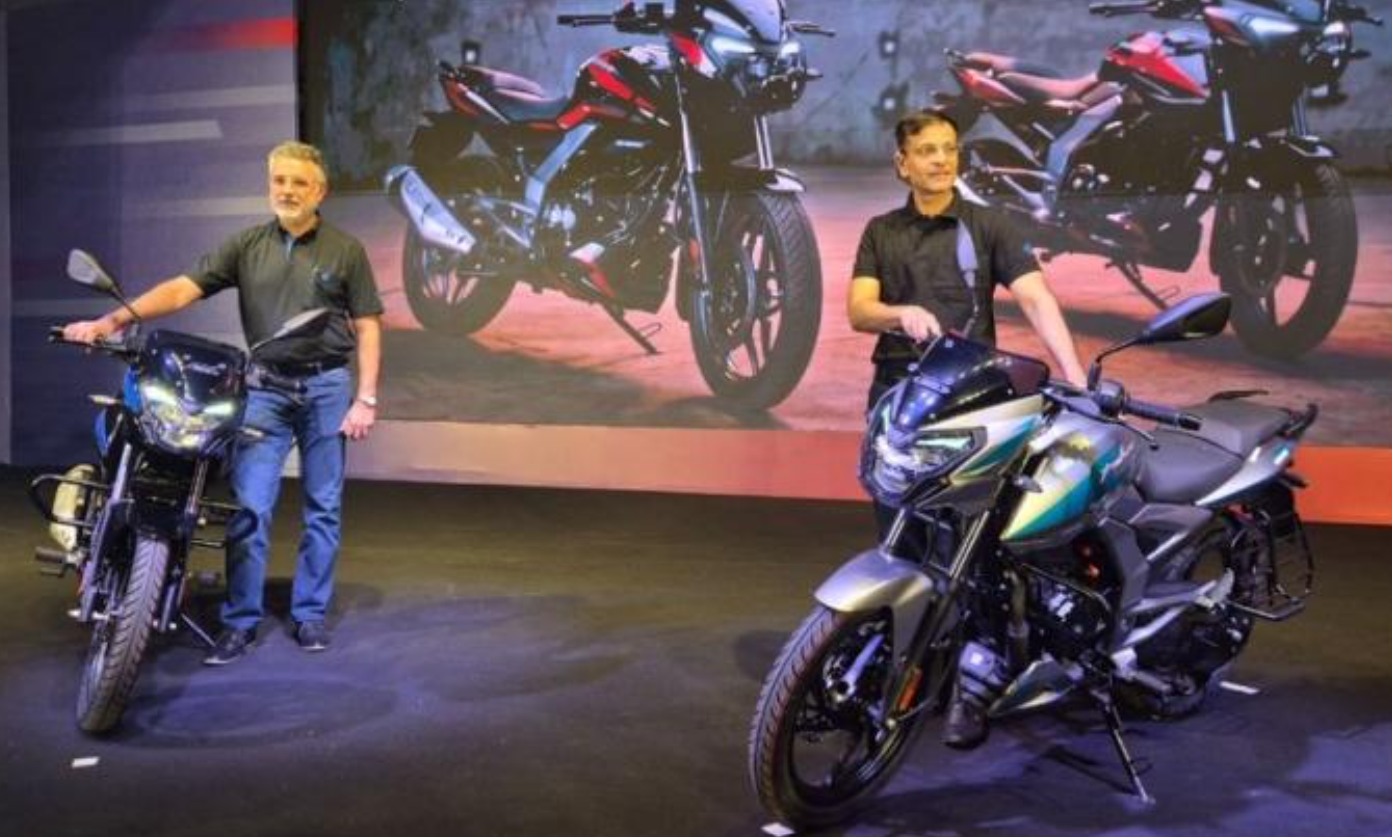
Bajaj Auto has launched the next-generation Pulsar 125 and Pulsar 150 in India today, 24 August 2026. These two motorcycles are among the most familiar names in India’s commuter-sport bike market, and the latest update is more than just new graphics.
The new Pulsar 125 starts at Rs. 92,990, while the new Pulsar 150 starts at Rs. 1,15,233. Both prices are ex-showroom. Bajaj has added fresh styling, updated engines, monoshock suspension, ride modes, new displays and more connected features, depending on the variant.
For many young buyers, Pulsar is not just a bike name. It has been linked with sporty looks, strong road presence and affordable performance for years. With this update, Bajaj seems to be protecting that emotional connection while making the bikes more modern for today’s riders.
Bajaj Pulsar 125 and 150 price in India
The 2026 Bajaj Pulsar 125 is available in four variants.
- Pulsar 125 base variant – Rs. 92,990
- Pulsar 125 STD Single Seat – Rs. 99,291
- Pulsar 125 STD Split Seat – Rs. 1,00,288
- Pulsar 125 Premium Split Seat – Rs. 1,04,318
The 2026 Bajaj Pulsar 150 is available in three variants.
- Pulsar 150 Single Disc – Rs. 1,15,233
- Pulsar 150 Twin Disc Single Seat – Rs. 1,22,184
- Pulsar 150 Twin Disc Split Seat – Rs. 1,23,187
All prices are ex-showroom. On-road prices will be higher depending on state taxes, insurance, registration and accessories.
What has changed in the new Pulsar 125 and 150
The biggest update is that both bikes now feel more modern in design and hardware. Bajaj has given them a new LED headlamp, updated body panels, alloy wheels, chin fairing and a revised exhaust.
The signature Pulsar fuel tank shape has been kept, which is a smart move. Pulsar buyers like the muscular tank and sporty stance, so Bajaj has refreshed the look without removing the bike’s old identity.
The new models are based on a diamond-type frame. At the front, they get telescopic forks, while the rear now uses a monoshock suspension. This is a big change because older Pulsar models were known for twin-shock setups. A monoshock can help improve ride comfort and handling, especially while cornering or riding over uneven roads.
Engine and performance
The new Pulsar 125 uses a 124.38cc single-cylinder engine. Reports mention output figures around 11.6 bhp to 12.1 PS and 11.4 Nm of torque. It is paired with a 5-speed gearbox.
The new Pulsar 150 uses a 149.5cc single-cylinder engine producing around 13.8 bhp and 14.1 Nm of torque. It also gets a 5-speed gearbox.
These bikes are not meant to be racing machines. Their real strength is daily riding with a sporty feel. A college student, office commuter or young working professional can use them for city travel, weekend rides and regular daily use.
Bajaj has also focused on low-rpm torque delivery. In simple words, the bike should feel easier to ride in traffic because you may not need to change gears too often.
Ride modes and Crawl Tech
One of the most interesting additions is ride modes. Depending on the variant, the new Pulsar 125 and Pulsar 150 get Road, Rain and Sport modes.
For beginners, ride modes change how the bike responds in different conditions. Road mode is for normal riding. Rain mode can make throttle response calmer in wet conditions. Sport mode gives a sharper feel.
The bikes also get Crawl Tech. This feature helps the motorcycle move slowly in traffic with less throttle input. In real life, this can be useful in bumper-to-bumper traffic, parking areas and narrow lanes.
TFT display and connected features
Higher variants of the new Pulsar 125 and 150 get a 5-inch TFT instrument console. This display supports Bluetooth connectivity, turn-by-turn navigation and screen mirroring features, according to reports.
This is a major update for this segment. Young riders today expect their bikes to feel modern, not basic. A TFT screen with navigation is useful when riding in a new city, going to college, finding a cafe, or taking a weekend trip.
The bikes also get a USB Type-C charging port. This small feature is very practical because many riders use phones for maps, calls, music and payments.
Some variants also get LED indicators, hazard lamps and an Integrated Starter Generator, or ISG. ISG helps make starting smoother and can support idle start-stop functionality, depending on variant.
Design and youth appeal
The Pulsar has always had strong youth appeal. One big reason is its design. It looks sportier than many normal commuter bikes but is still more affordable than full performance motorcycles.
The new-generation Pulsar 125 and 150 continue that formula. The LED headlamp, muscular tank, blacked-out elements, split-seat options and sharper rear section make the bikes look more current.
For young buyers, a bike is not only about mileage. It is also about personality. Many riders want a motorcycle that looks good outside college, office, gym or weekend hangout spots. Pulsar has built its image around that feeling.
Another reason youth like Pulsar is its balance. It offers sporty styling, decent performance, easy service reach and Bajaj’s wide dealer network. That makes ownership less stressful compared with some niche sporty bikes.
Safety and braking
The Pulsar 150 gets single-disc and twin-disc options, depending on variant. The Pulsar 125 also gets braking hardware based on variant positioning.
Higher variants with rear disc brakes will appeal to riders who want stronger braking confidence. The front disc setup helps during sudden braking, while the rear disc adds better control compared with a drum setup.
The addition of ride modes and better suspension also adds to the overall safety and riding experience, especially for new riders moving up from scooters or basic commuter bikes.
Competitors of Bajaj Pulsar 125 and 150
- The new Pulsar 125 will compete with bikes such as Hero Xtreme 125R, TVS Raider 125, Honda SP125 and other sporty 125cc commuters.
- The new Pulsar 150 will compete with bikes such as TVS Apache RTR 160, Yamaha FZ series, Hero Xtreme 160R and Honda Unicorn, depending on buyer preference and budget.
Bajaj’s advantage is the Pulsar brand name. Many buyers already know the bike, trust its road presence and like its sporty commuter image. But rivals are strong too. TVS Raider and Hero Xtreme 125R are already popular among young buyers, while Apache and Yamaha FZ have their own fan base.
Should you buy the new Pulsar 125 or Pulsar 150
If your budget is close to Rs. 1 lakh and you want a sporty commuter with modern features, the Pulsar 125 makes sense. It is good for students, first-time bike buyers and city commuters who want style without spending too much.
If you want more power and can spend more, the Pulsar 150 is the better choice. It will feel stronger on open roads and better suited for riders who often travel with a pillion or ride longer distances.
For maximum features, check the higher variants with TFT display, navigation and extra equipment. For pure value, the lower variants may be enough.
Conclusion with key takeaways
The next-generation Bajaj Pulsar 125 and Pulsar 150 bring a much-needed update to two popular motorcycles. Bajaj has kept the familiar Pulsar identity but added modern features like ride modes, TFT display, Type-C charging, monoshock suspension and updated styling.
For young buyers, the appeal is clear. The Pulsar still looks sporty, feels practical and now gets more tech than before. If pricing remains attractive at dealerships, these models can continue to stay relevant in India’s youth-focused commuter bike market.
Key takeaways –
- Bajaj launched the new Pulsar 125 and Pulsar 150 in India on 24 August 2026.
- Pulsar 125 prices start at Rs. 92,990, ex-showroom.
- Pulsar 150 prices start at Rs. 1,15,233, ex-showroom.
- Both bikes get new styling, LED headlamp, monoshock suspension and updated engines.
- Higher variants offer a 5-inch TFT display, Bluetooth, navigation, Type-C charging and ride modes.
- The Pulsar 125 competes with TVS Raider 125 and Hero Xtreme 125R.
- The Pulsar 150 competes with TVS Apache RTR 160, Yamaha FZ and Hero Xtreme 160R.
Facts Input and Image Credit- Bajaj,Bajaj 150, Bajaj 125, Team-BHP
Discover more from Newskart
Subscribe to get the latest posts sent to your email.

[…] also competes indirectly with petrol bikes like Bajaj Pulsar, TVS Apache, Yamaha R15 and KTM 200 Duke, because MATTER is targeting riders who may otherwise buy […]