

Ashok Leyland and Switch Mobility Join Centre’s Vehicle Replacement Push, What It Means for Cleaner Roads


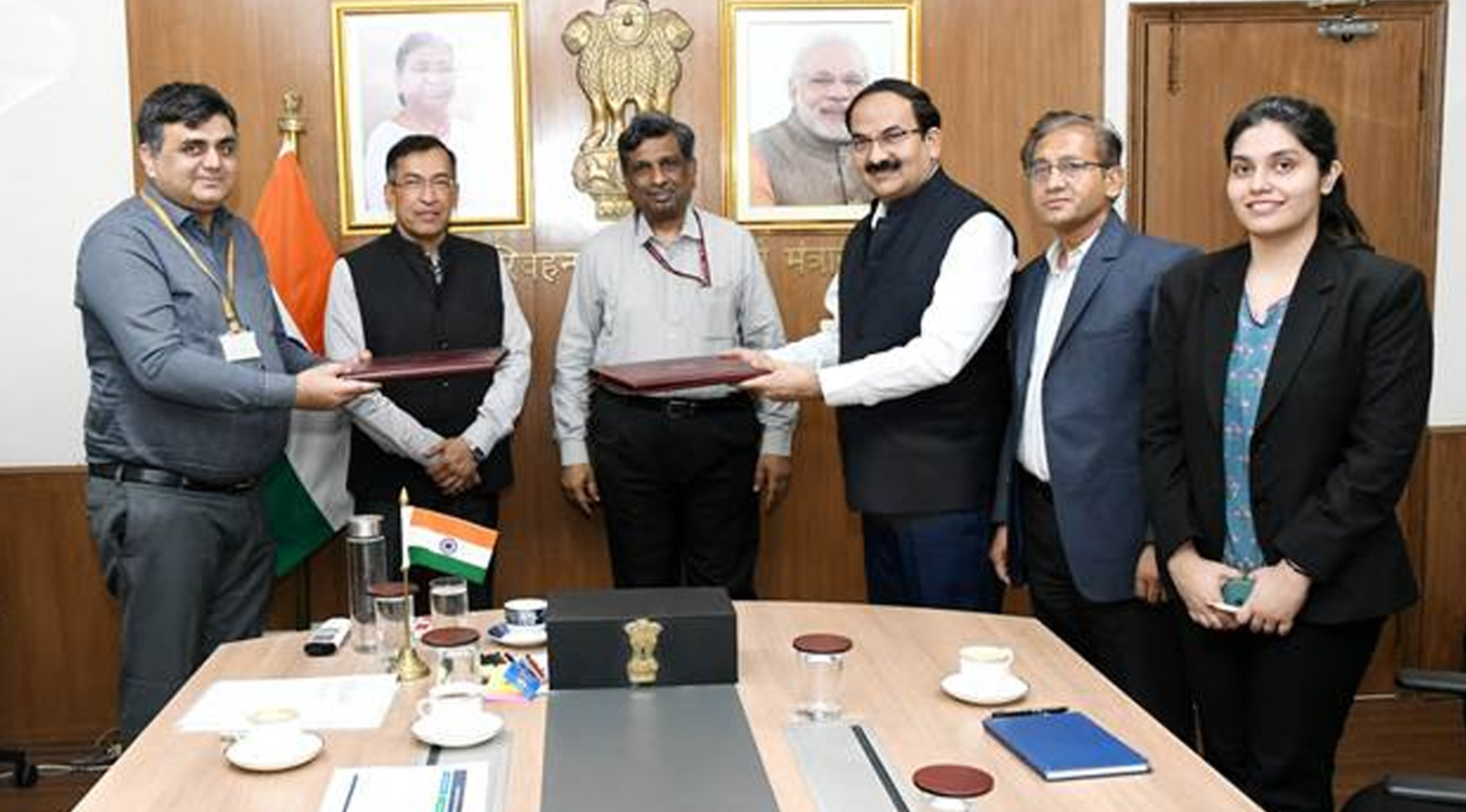
India’s old vehicle problem is not only about traffic or repair bills. Ageing trucks, buses and commercial vehicles often use more fuel, break down more often and release more smoke than newer models. That is why the Centre’s vehicle replacement and scrappage push has become important for both the automobile industry and the environment.
Ashok Leyland and its electric mobility arm Switch Mobility are now being seen as early OEM participants in this shift. For the commercial vehicle market, this is a notable move because trucks and buses spend long hours on the road and have a bigger impact on fuel use, air quality and transport costs.
The idea is simple. If old, unfit vehicles are removed in a proper way and replaced with cleaner, safer vehicles, India can reduce pollution while also giving fleet owners a reason to upgrade. You can refer the FAQ for the same in official site.
What is the Vehicle Replacement Scheme
The Centre’s vehicle replacement push is linked to India’s wider vehicle scrappage policy. It encourages owners to send old and unfit vehicles to authorized scrapping centres instead of keeping them on the road for years. When a vehicle is submitted to a Registered Vehicle Scrapping Facility, the owner can receive a Certificate of Deposit. This certificate can be used to claim benefits while buying a new vehicle, depending on the rules and state-level benefits available.
The policy is especially important for commercial vehicles. A truck that runs every day for 15 years may consume more fuel and produce higher emissions than a newer model. Replacing such vehicles can help transporters save money over time and reduce the pollution load on cities and highways.
Why Ashok Leyland and Switch Mobility matter
Ashok Leyland is one of India’s major commercial vehicle makers. The company was founded in 1948 as Ashok Motors and later became Ashok Leyland after its association with British Leyland. Today, it is part of the Hinduja Group and has a strong presence in trucks, buses and light commercial vehicles.
Switch Mobility is Ashok Leyland’s electric vehicle arm. It focuses on electric buses and electric light commercial vehicles. This makes the combination important. Ashok Leyland brings experience in diesel, CNG and commercial transport, while Switch Mobility adds the electric mobility angle.
For the scheme to work well, large OEMs need to participate actively. Customers do not replace vehicles only because a policy exists. They need practical products, financing options, service support and confidence that the new vehicle will do the job better.
Purpose of the scheme
The main purpose is to remove old, unsafe and polluting vehicles from Indian roads in a structured way. Instead of informal dismantling, the policy pushes vehicle owners towards authorised scrapping centres where parts, metals, fluids and waste can be handled more responsibly.
This also creates a cleaner replacement cycle. An old truck can be scrapped, usable material can be recovered, and the owner can move to a newer model with better fuel efficiency or cleaner technology.
For fleet owners, the scheme can make business sense. A new vehicle may cost more at the start, but it can reduce fuel bills, downtime and repair costs. In commercial transport, even a small saving per kilometre can become meaningful over thousands of kilometres.
Environmental benefits
The biggest environmental benefit is lower tailpipe pollution. Older vehicles, especially poorly maintained diesel vehicles, can release more particulate matter and nitrogen oxides. These pollutants are linked to poor air quality and health problems in cities.
Replacing old vehicles with newer BS-VI vehicles, CNG models or electric vehicles can reduce emissions. Electric buses and electric light commercial vehicles can be especially useful in cities because they produce no tailpipe emissions during use. There is also a recycling benefit. Proper scrapping helps recover steel, aluminium, rubber and other materials. This reduces the need for fresh raw material extraction and supports a more circular automobile economy.
Another benefit is better fuel use. Newer trucks and buses are usually more efficient than older ones. If a transporter replaces an old fuel-hungry vehicle with a modern model, the same work can often be done with less fuel.
What it means for fleet owners
For a small transporter, the scheme may feel like a big decision. Replacing a truck is not like replacing a phone. It affects loans, routes, drivers, maintenance and daily earnings.
Still, there are practical reasons to consider it. An old vehicle may spend more time in workshops, fail fitness tests or attract higher running costs. If it is replaced at the right time, the owner may avoid sudden breakdowns and improve reliability for customers.
For example, a logistics operator using an old city delivery truck may switch to a newer light commercial vehicle or an electric delivery vehicle. If the route is fixed and daily distance is predictable, an electric option can reduce running cost. If the work involves long highway trips, a modern diesel or CNG vehicle may be more suitable.
Competitors and industry impact
Ashok Leyland will not be alone in this space. Tata Motors, Mahindra, Eicher Trucks and Buses, BharatBenz and other commercial vehicle makers are also important players in India’s replacement cycle. In the electric bus and EV commercial vehicle market, Switch Mobility competes with companies such as Tata Motors, JBM Electric, Olectra Greentech and PMI Electro. Each company is trying to win orders from state transport bodies, private fleets and city mobility operators.
The bigger effect may be on the whole commercial vehicle industry. If replacement demand rises, OEMs can see better sales. Scrapping centres can get more business. Component makers, financing companies and service networks may also benefit.
Challenges ahead
The scheme’s success will depend on execution. India needs enough authorized scrapping centres, simple paperwork and clear benefits for customers. If the process feels slow or confusing, many owners may delay replacement.
Cost is another challenge. A new commercial vehicle is expensive. Many small fleet owners may need easier loans, exchange support and clear savings calculations before they take the step.
Awareness is also important. Many vehicle owners still do not know how the Certificate of Deposit works, where to scrap a vehicle, or what benefits they can receive while buying a new one.
Conclusion with key takeaways
Ashok Leyland and Switch Mobility joining the Centre’s vehicle replacement push is a meaningful step for India’s commercial vehicle market. The move supports a larger goal – replacing old and polluting vehicles with cleaner, safer and more efficient options.
The environmental benefits can be real if the scheme is implemented properly. Cleaner vehicles can reduce smoke, improve fuel efficiency and support responsible recycling. For fleet owners, the decision will depend on cost, financing, vehicle use and long-term savings.
Key takeaways
- Ashok Leyland and Switch Mobility are early OEM participants in India’s vehicle replacement push.
- The scheme encourages old and unfit vehicles to be scrapped through authorised facilities.
- Vehicle owners can receive a Certificate of Deposit after proper scrapping.
- The policy can help reduce pollution, improve road safety and support cleaner commercial transport.
Competitors include Tata Motors, Mahindra, Eicher, BharatBenz, JBM Electric, Olectra and PMI Electro.
Facts Input and Image Credit- DDNews
Discover more from Newskart
Subscribe to get the latest posts sent to your email.

Comments are closed.