

Xiaomi TV S Mini LED Series Launches in India: Premium Display Tech Finally Gets More Accessible


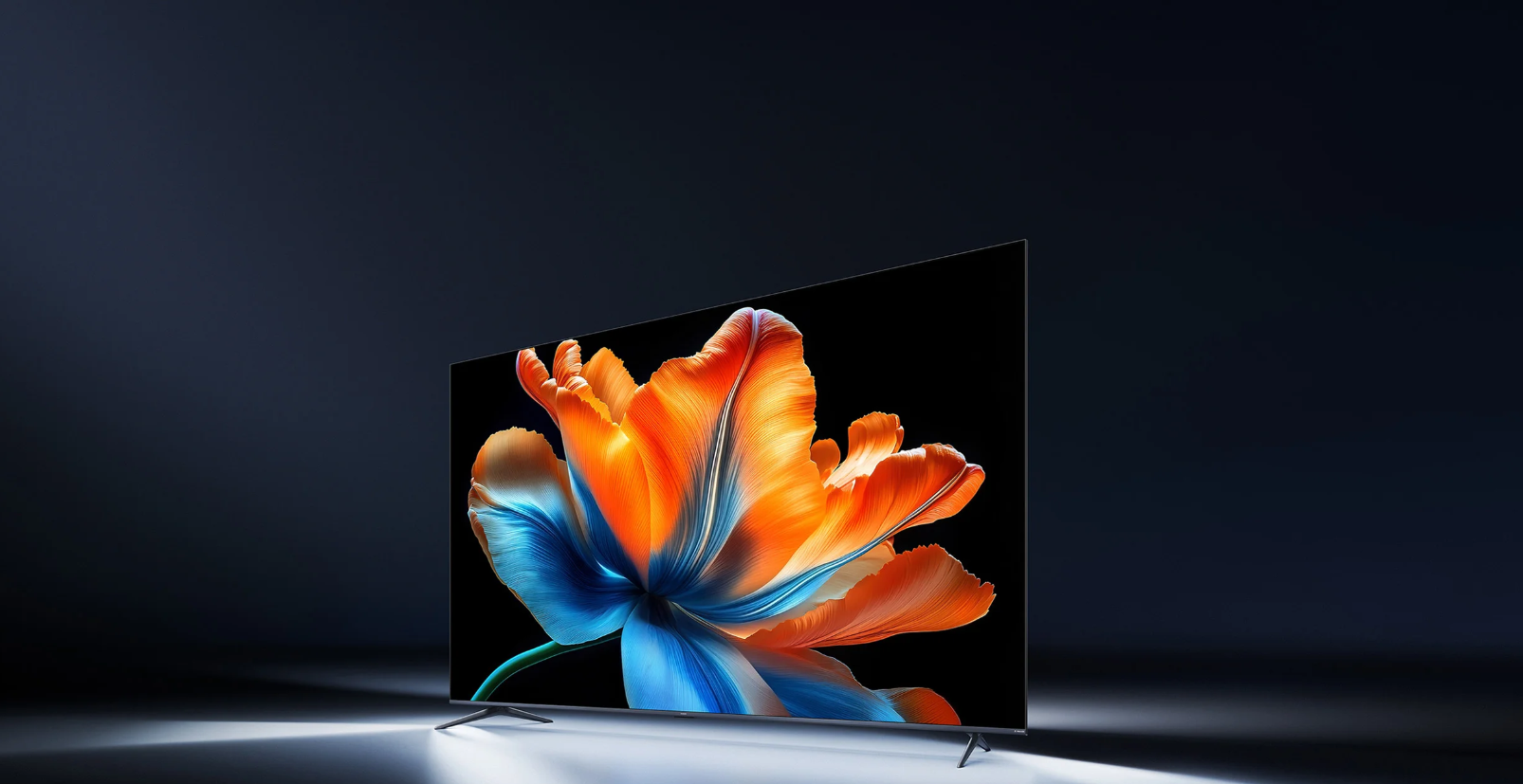
Xiaomi’s TV S Mini LED Series launches in India on 15 April 2026, marking an important step in the brand’s premium television push. For years, Xiaomi has been strong in the value-for-money smart TV segment, but this new launch shows it wants to compete more seriously in the display-quality conversation too.
That matters because Mini LED is no longer a niche term only for enthusiasts. More buyers now understand the difference between a basic large-screen TV and one that offers better contrast, deeper blacks, stronger brightness control, and a more premium viewing experience. Xiaomi is stepping into that space with a product range that tries to look premium without moving too far into luxury pricing.
The new TV S Mini LED Series arrives in three sizes in India: 55-inch, 65-inch, and 75-inch. Pricing starts at INR 51,999 and goes up to INR 99,999. That puts the lineup in an interesting position between mainstream large-screen TVs and higher-end display-focused models from more established premium TV brands.
What exactly is Xiaomi launching?
The TV S Mini LED Series is Xiaomi’s new premium television lineup for India built around Mini LED backlighting. The series is being offered in 55-inch, 65-inch, and 75-inch screen sizes, which are clearly aimed at users who want a larger home entertainment setup rather than just a basic living-room TV.
The reported India pricing is:
Xiaomi TV S Mini LED Series: India Prices
55-inch
INR 51,999
65-inch
INR 71,999
75-inch
INR 99,999
This range gives Xiaomi a wider stretch across upper mid-range and premium TV buyers. It also makes the 55-inch model especially important, because that is where many users first consider upgrading into a better display category.
Why Mini LED matters?
Mini LED sounds technical, but the real-world benefit is easy to understand. Traditional LED TVs use larger backlight units and less precise control over brightness. Mini LED uses many smaller backlighting units, which helps the TV manage light more carefully across the panel. That means brighter highlights, darker black areas, stronger contrast, and less visible light spill in scenes with mixed brightness. In simple words, a good Mini LED TV can make movies, sports, and games look cleaner and more dramatic.
What Is Mini LED? And How Is It Different from Regular LED?
Mini LED is a newer TV backlighting technology. It still uses an LCD panel like a regular LED TV, but the difference is in the size and number of lights placed behind the screen. Mini LED TVs use many smaller LEDs, which allows the TV to control brightness in a much more precise way.
Why that matters in real life
Because Mini LED uses more and smaller light zones, it can make bright areas look brighter and dark areas look deeper at the same time. That means movies, sports, and games usually look more dramatic, more detailed, and less washed out compared to a regular LED TV.
Regular LED TV
A regular LED TV uses fewer and larger backlight zones. Because of that, it cannot control light as accurately. In darker scenes, you may notice greyer blacks, flatter contrast, and light spreading into areas that should stay dark.
Mini LED TV
A Mini LED TV uses many smaller LEDs and more local dimming zones. This gives better contrast, better black levels, stronger HDR effect, and more controlled brightness across different parts of the screen.
Mini LED vs Regular LED: Simple Comparison
| Backlight Size | Mini LED uses much smaller LEDs |
| Light Control | Mini LED controls brightness more precisely |
| Contrast | Mini LED usually offers deeper blacks and stronger contrast |
| Brightness | Mini LED often handles HDR highlights better |
| Viewing Experience | Mini LED generally looks more premium than regular LED |
In one line
A Mini LED TV is basically a more advanced version of a regular LED TV, offering better contrast, better brightness control, and a richer viewing experience without moving all the way to OLED pricing.
For everyday users, this becomes noticeable in scenes like city lights at night, dark movie scenes, or bright outdoor sports visuals. Instead of everything looking flat or overly washed out, the picture can feel more layered and controlled.
What Xiaomi is highlighting in this series?
Xiaomi is positioning the series around Mini LED with local dimming and its Quantum MagiQ branding. The company is clearly trying to present this lineup as more than just “another 4K TV.”
Pre-launch and launch coverage also points to features such as 4K resolution, better contrast handling, and a premium smart-TV experience. In global references to the same family, some screen sizes also show strong brightness figures and high refresh-rate support, which suggests Xiaomi wants these TVs to look modern not just for movies, but also for gaming and sports viewing.
This is a smart move. Buyers who spend more on a TV now usually want it to do more than stream shows. They want one screen to handle OTT, sports, consoles, family viewing, and smart-home duties without feeling outdated too quickly.

Who is this TV series for?
The Xiaomi TV S Mini LED Series is not for someone who simply wants the cheapest big-screen TV. It is better suited for buyers who care about visual quality and want an upgrade that is visible in daily use.
For example:
- A movie lover who watches in dim lighting will likely appreciate stronger contrast.
- A sports viewer may enjoy cleaner motion and better brightness.
- A gamer may prefer a more premium panel experience if refresh-rate support is strong enough.
- A family upgrading from an older 43-inch or 50-inch TV may want a more cinematic setup.
In short, this lineup is for users who want a better screen experience but still want Xiaomi-style pricing logic.
The price story matters a lot
Starting at INR 51,999, Xiaomi is clearly trying to make Mini LED feel more reachable. That price is not “budget,” but it is also not out of reach for buyers already considering premium QLEDs or larger 4K TVs from brands like Samsung, TCL, LG, Hisense, and Sony.
The 55-inch model will likely be the key product in this range because it is the gateway device. It allows buyers to enter the Mini LED category without jumping to the much higher pricing normally associated with more premium display technology.
If the panel quality, motion handling, and brightness performance hold up in real-world reviews, Xiaomi may find a strong audience here.
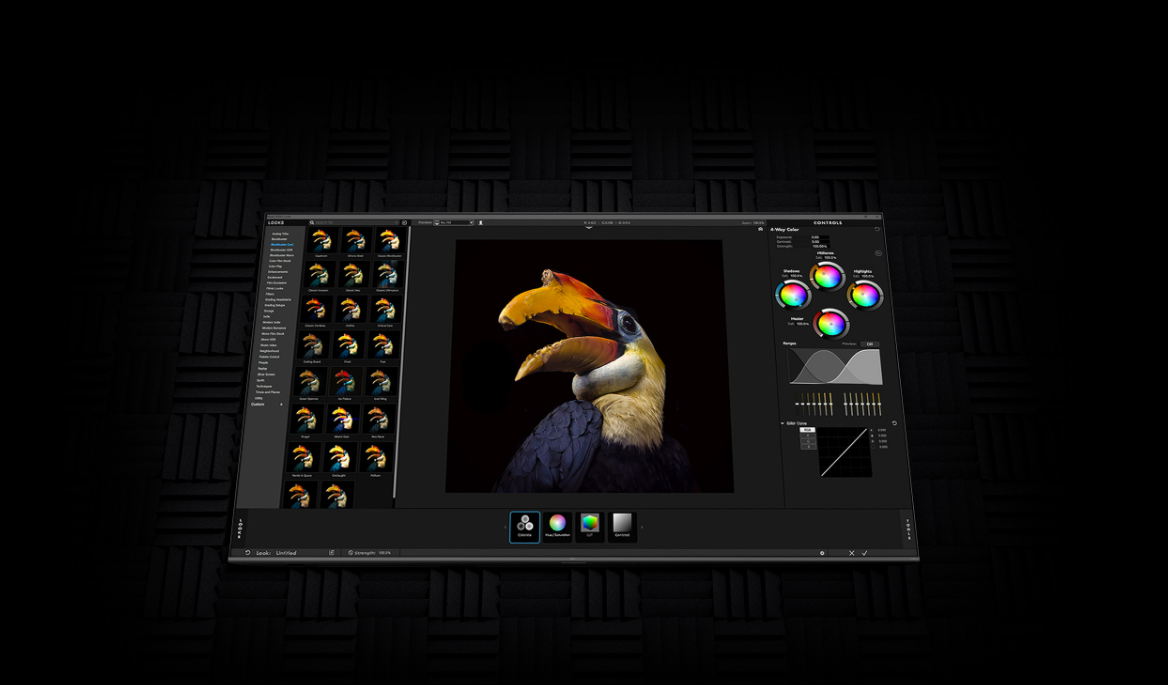
Competitor check: where the TV S Mini LED Series fits
Xiaomi is entering a category where competition is already serious. Brands such as TCL and Hisense have built strong positions in value-driven premium TVs, especially in Mini LED and QLED categories. Samsung and LG remain stronger in premium perception, while Sony often leads in brand trust and picture reputation.
So where does Xiaomi fit?
It fits as the aggressive value challenger in premium TV territory. It is trying to offer newer display technology without asking buyers to pay traditional premium-brand prices. That is a familiar Xiaomi strategy, but now it is being applied to a more display-sensitive category.
This also means expectations will be high. Buyers in this segment compare more carefully. They notice sound quality, UI fluidity, picture tuning, brightness, and gaming support. Xiaomi can no longer win on screen size alone.
Competitos
Xiaomi is entering a premium-value TV segment where picture quality, smart features, and pricing all matter. The TV S Mini LED Series sits between budget large-screen TVs and expensive premium-brand Mini LED models.
The TV S Mini LED Series fits as a premium-value option for buyers who want a better display than a regular 4K TV, but do not want to jump into much more expensive premium-brand pricing.
What could make this lineup successful?
The TV S Mini LED Series can succeed if it delivers well in five areas:
- Real contrast improvement over regular 4K TVs
- Good brightness for HDR and daytime viewing
- Smooth smart-TV experience
- Reliable after-sales support
- Strong value against rival Mini LED and QLED models
If Xiaomi gets these right, the series could become a strong recommendation in the premium-value segment.
What buyers should still check before purchasing?
Even though the launch looks promising, there are a few practical things buyers should wait to confirm or compare before making a decision:
- Real-world picture quality reviews
- Sound performance without external speakers
- Gaming features such as refresh rate, HDMI standards, and latency
- Software responsiveness and long-term update support
- Installation and support quality in the buyer’s city
A TV is usually a long-term purchase, so these areas matter more than launch-day buzz.
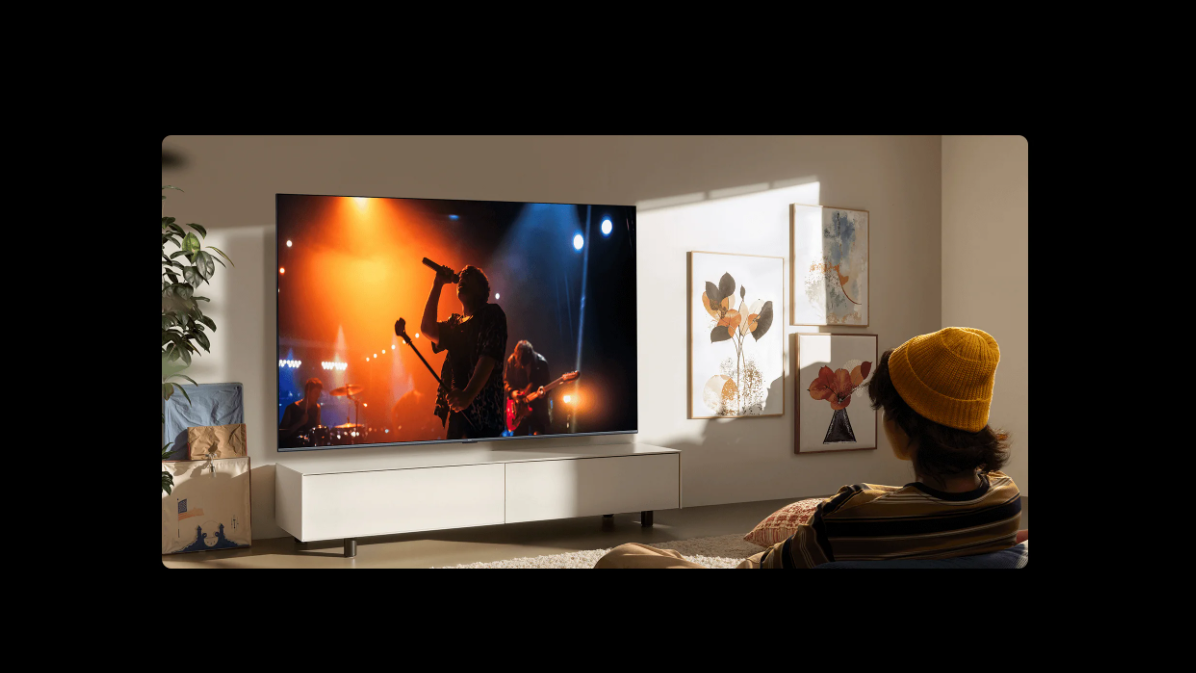
Why this launch matters for Xiaomi in India?
This launch is not just about one new TV lineup. It reflects Xiaomi’s larger effort to strengthen its presence in more premium categories in India. The company already has strong recognition in phones, ecosystem gadgets, and budget smart TVs. But Mini LED is a more credibility-sensitive category.
If Xiaomi succeeds here, it improves not only TV sales but also its image as a premium consumer-tech brand. That could help it across more categories in the future.
Conclusion
Xiaomi’s TV S Mini LED Series is a meaningful move in the company’s premium display strategy. With three sizes, prices starting at INR 51,999, and a focus on Mini LED plus local dimming, the series aims to offer a more advanced TV experience without moving too far into premium-brand pricing. For buyers, the pitch is simple: better picture quality, bigger screens, and stronger value. If the real-world performance matches the promise, Xiaomi may have a serious winner on its hands. This is not just another smart TV refresh. It is one of Xiaomi’s clearest attempts yet to make premium display technology more mainstream in India.
Facts Input- Xiaomi and Gizbot
Discover more from Newskart
Subscribe to get the latest posts sent to your email.

Comments are closed.