


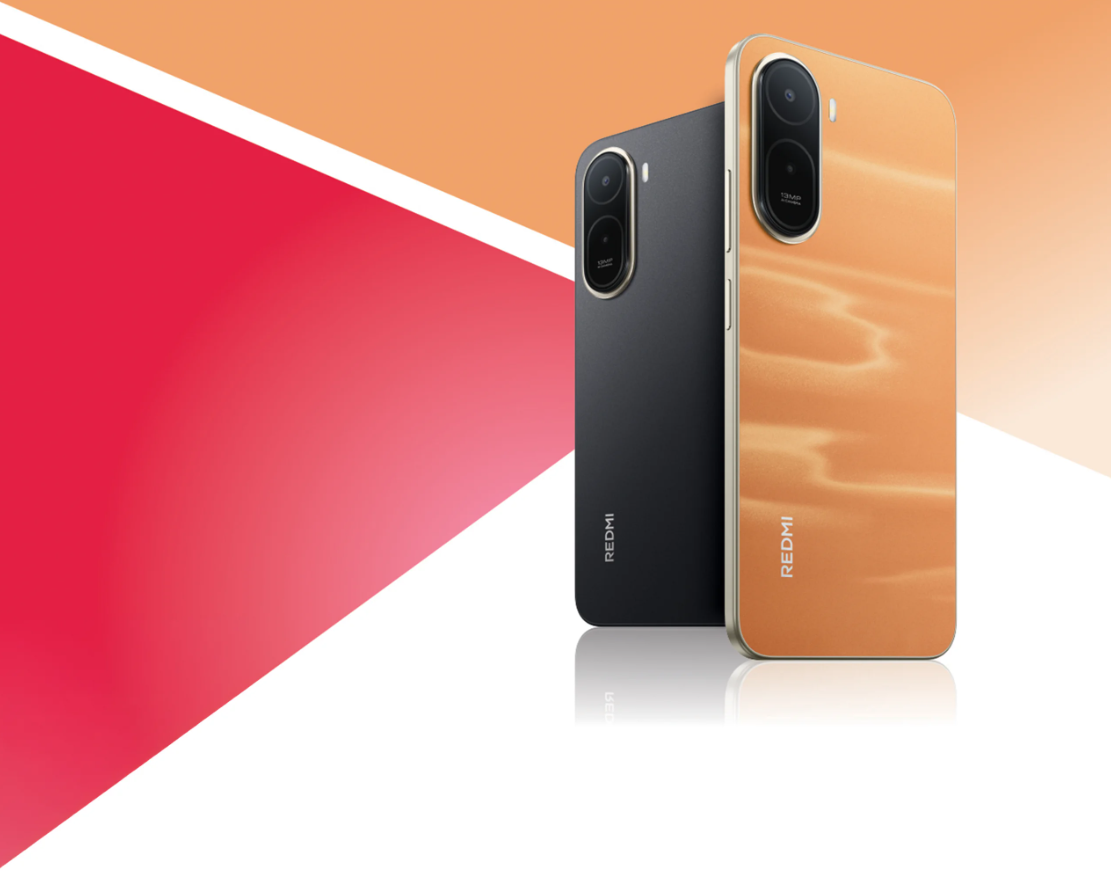
Xiaomi has started sales of the Redmi A7 Pro 4G and Redmi A7 4G in India, and the launch has raised one obvious question: in 2026, why is a major brand still introducing 4G phones?
At first glance, it may sound outdated. 5G networks are expanding, and most smartphone conversations now revolve around AI features, gaming processors, and camera upgrades. But the Indian market is not one single market. It is many markets running at different speeds, with different budgets and different priorities.
That is exactly where Redmi’s new A-series 4G phones fit. They are built for people who care more about affordability, battery life, and stable daily usage than cutting-edge network speeds. Let’s break this down clearly and practically.
What Xiaomi Launched and What Is on Sale
Xiaomi launched two budget models in the A-series:
- Redmi A7 Pro 4G
- Redmi A7 4G
Both phones were introduced on 21 April 2026, with sales beginning on 23 April 2026 through Xiaomi’s channels and major e-commerce platforms in India.
Reported pricing starts at around Rs 10,499 in this lineup, depending on variant and platform offer. In this price segment, even a small Rs 500-1000 difference affects buying decisions, so users should always check final checkout price with offers.
Key Specifications at a Glance
The Redmi A7 Pro 4G and Redmi A7 4G are positioned as entry-level smartphones with practical hardware:
- Unisoc T7250 chipset
- 64GB onboard storage in base options
- 13MP rear camera
- 8MP front camera
- Android 16 with HyperOS versioning in reports
- High refresh-rate display support in launch coverage
- Large battery focus, with Pro model reported around 6300mAh
The spec story here is simple: this is not “flagship power at budget price.” This is “reliable basics with bigger battery value.”
Redmi A7 Pro 4G vs Redmi A7 4G – Specifications
Official feature summary from Xiaomi Global and Xiaomi India product pages
The Big Question: Why 4G in This Era?
This is the core of the launch story, and there are solid reasons.
1) Budget is still king in India
A large part of India’s phone buyers still purchase in the Rs 8,000-Rs 12,000 range. In this bracket, 5G often brings trade-offs: weaker display, smaller battery, or lower camera quality. A 4G phone can give better balance at the same budget.
2) Real usage doesn’t always need 5G
Many users mostly do WhatsApp, YouTube, Instagram, UPI, and light browsing. For these tasks, stable 4G remains enough in many places. For this audience, paying extra only for 5G is not always practical.
3) Battery life matters more than peak speed
Entry-level users often prioritize “phone should last all day” over “internet should be fastest possible.” Xiaomi seems to be targeting this exact need with battery-focused A-series hardware.
4) Network reality is uneven
5G rollout is strong in major cities, but quality and consistency can still vary by location, indoor coverage, and data plans. A budget 4G phone remains a safer buy for users in mixed-connectivity zones.
5) Secondary phones are a large category
Many people buy low-cost smartphones as backup devices, for parents, or for school/college use. In such cases, a low-maintenance 4G device is often preferred over a costlier 5G option.
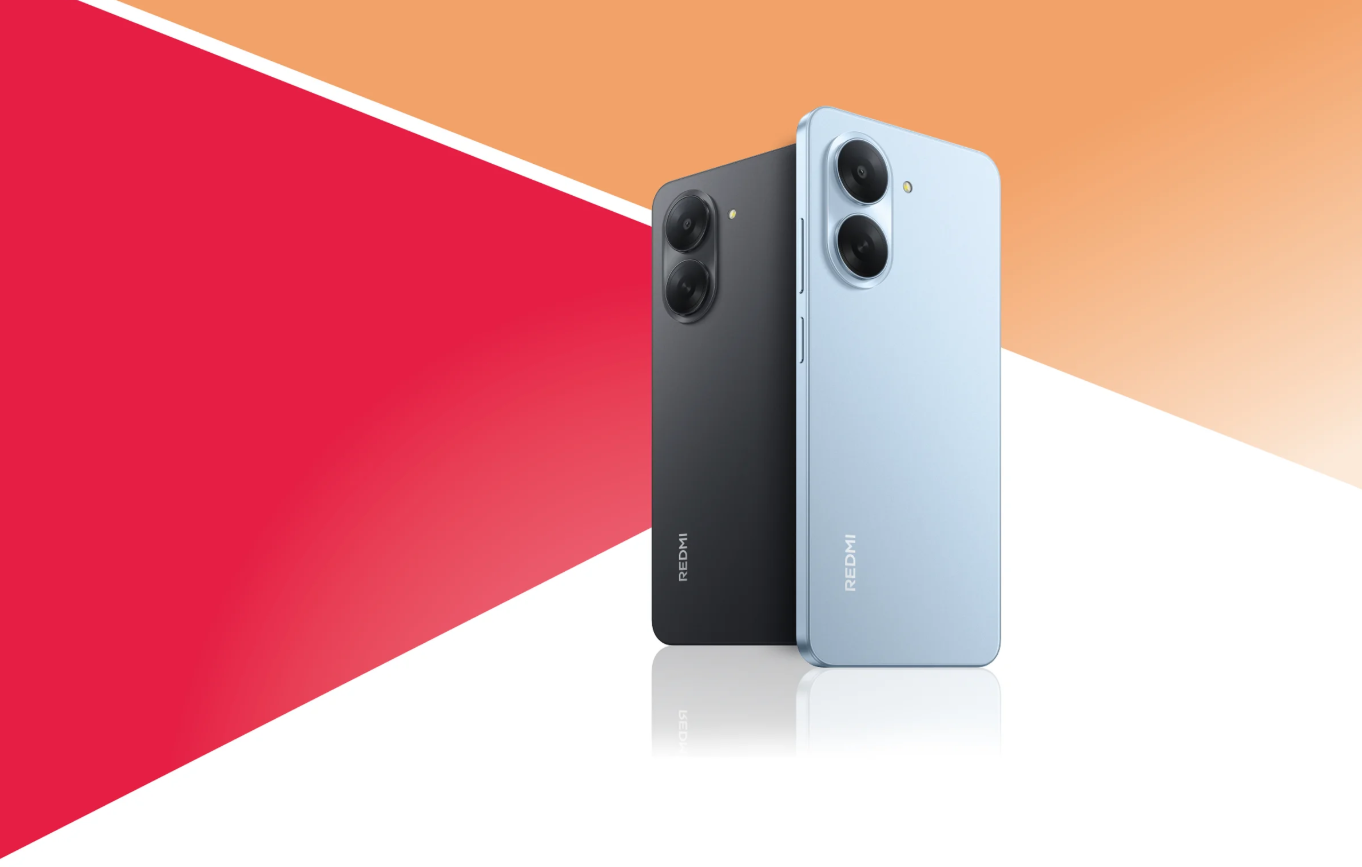
Who Should Consider These Phones
These models make sense for specific users:
- First-time smartphone buyers
- Students with tight budgets
- Users upgrading from older 3G/4G phones
- Parents or elders who need simple, stable phones
- Buyers who prioritize battery life over premium camera tools
If your usage is heavy gaming, high-end video editing, or long-term 5G-heavy use, you should look at higher segments. But for practical, everyday communication and media use, this category still has a strong place.
Competitor Check: Where Redmi A7 Pro 4G and A7 4G Stand
In this segment, Redmi is likely competing with:
- Poco C-series and M-entry devices
- Realme C-series
- itel and Infinix budget models
- Samsung’s lower-tier Galaxy A/M options
- Lava and other local-value offerings
Redmi’s advantage is usually a combination of distribution, brand trust, and balanced feature packaging. But competitors often push aggressive pricing, so final offers can shift the value equation quickly.
Practical Buying Advice Before You Purchase
Before buying either model, do this quick check:
- Compare final price after coupons and bank offers.
- Confirm battery size and charging speed for your chosen variant.
- Verify if RAM extension and microSD support are available.
- Check whether your area has strong 5G coverage before rejecting 4G purely on trend.
- Look at after-sales service comfort in your city.
This approach helps you buy for your actual life, not just internet hype.
So, Is Xiaomi Wrong to Launch 4G Phones in 2026?
Not really. In fact, this is a market-fit decision.
A lot of tech discussions assume every buyer wants the latest standard first. In reality, buyers want what solves their daily problems at the best price. If a 4G phone gives smoother day-to-day use, better battery, and lower upfront cost, it can still be the smarter purchase.
The Redmi A7 Pro 4G and Redmi A7 4G are not trying to redefine the industry. They are trying to serve high-volume, value-driven users who still form a major part of India’s smartphone market.
Conclusion: 4G Is Not Dead, It Is Purpose-Driven
The sale start of Redmi A7 Pro 4G and Redmi A7 4G in India highlights an important truth: smartphone value is about fit, not fashion. Yes, 5G is the future. But in 2026, 4G still has a meaningful role for budget-conscious users who need affordable, dependable phones. If your priority is low cost + stable performance + big battery value, these launches are relevant. If your priority is long-term 5G adoption and heavier performance demands, you should move one segment up. The best buying decision is not “latest network first.” It is “right phone for your real usage.”
Source- Mi
Discover more from Newskart
Subscribe to get the latest posts sent to your email.

Comments are closed.