


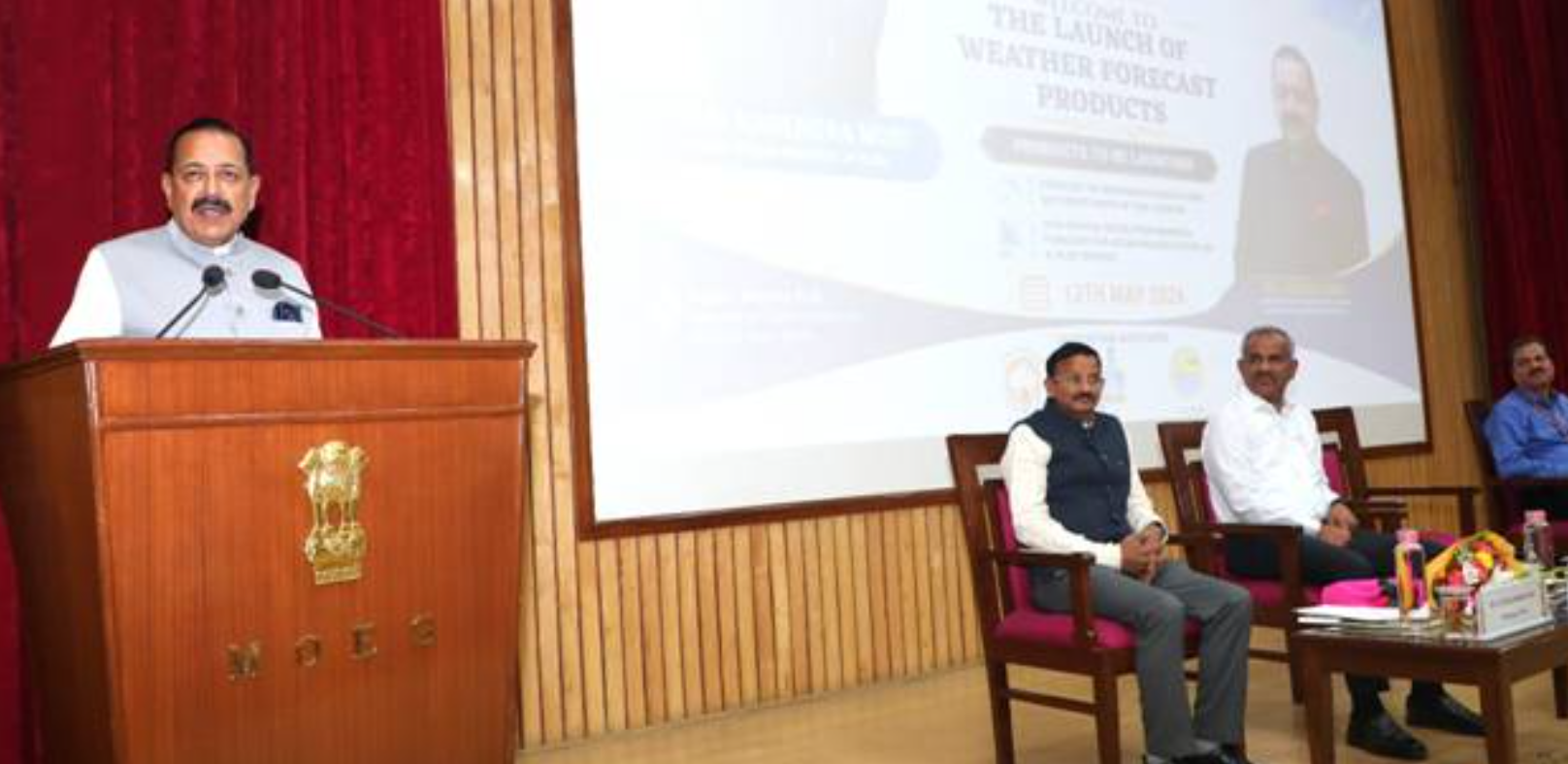
For farmers, monsoon timing is not just weather news, it is rooted for their bread and butter decisions. A few days of wrong planning can affect sowing, irrigation cost, fertilizer timing, and even final yield. That is why IMD’s new AI-based monsoon alert system is getting attention, especially in rain-fed regions.
On May 12, 2026, the India Meteorological Department introduced an AI-enabled forecasting setup that provides monsoon progression insights at the block level across 16 states and one Union Territory, covering more than 3,000 sub-districts. The key question is practical which is that will this improve farm outcomes on the ground?
What is new in IMD’s AI weather system?
The biggest upgrade is forecasting granularity. Instead of broader district-level assumptions, the new system aims to deliver hyper-local, probabilistic monsoon progression forecasts every week, up to four weeks in advance. That gives local decision-makers a better planning window.
Along with this, IMD also launched a high-resolution rainfall pilot for Uttar Pradesh at 1-km grid resolution (up to 10 days), showing the broader direction i.e. more local, data-rich weather intelligence. Officials have indicated these advisories will be shared through agriculture channels and digital platforms for farmer use.
In short, this is a shift from generic weather bulletins to decision-support forecasting.
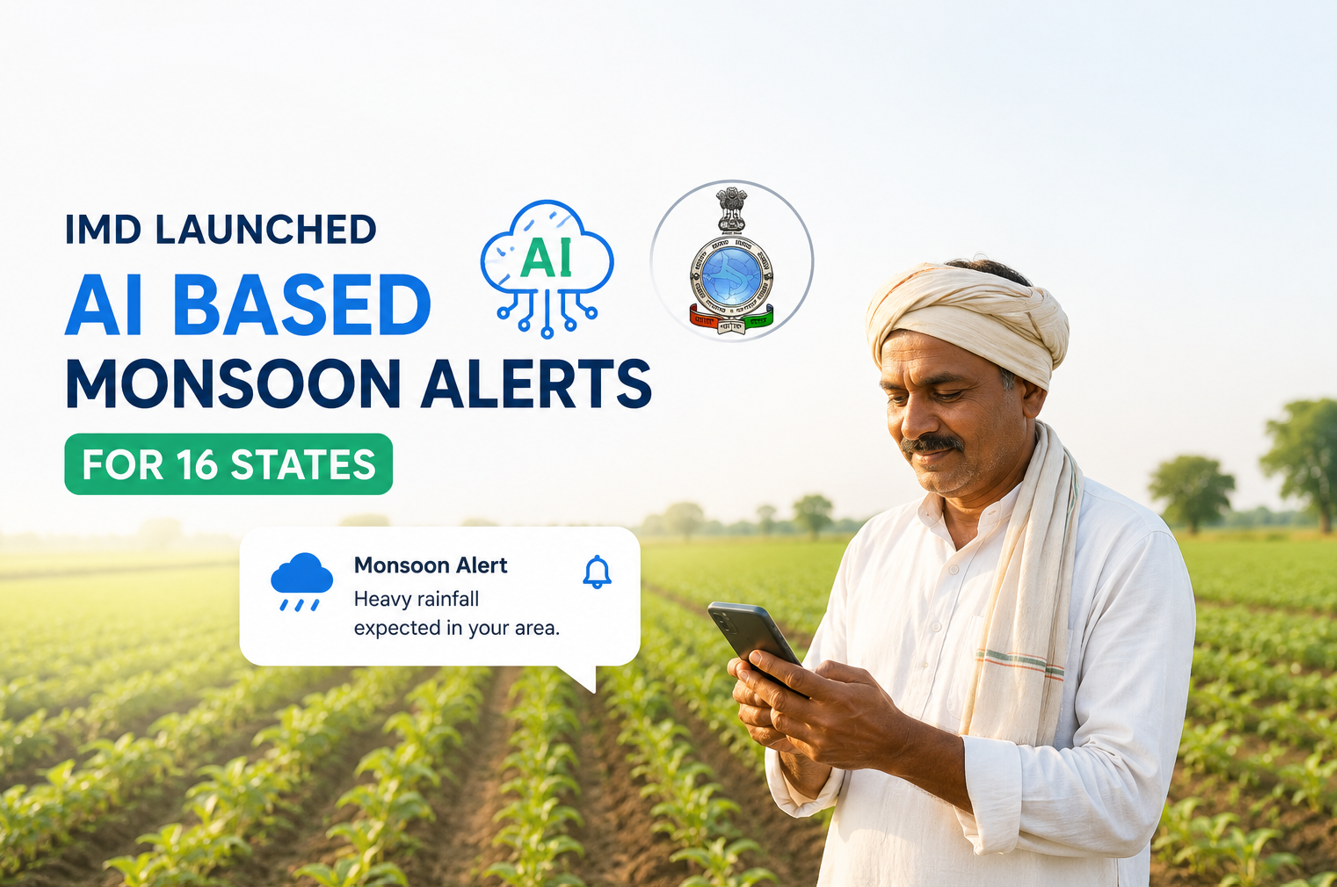
Will this actually help farmers?
Yes, it can help significantly, but impact depends on last-mile delivery and usage. If advisories reach farmers in time and in understandable language, they can make better calls on-
- sowing start and crop stage planning,
- irrigation scheduling,
- fertilizer/pesticide timing,
- short-term risk management before heavy rainfall or dry spells.
For rain-fed agriculture, even a few days of forecast advantage can reduce avoidable cost and crop stress. It can also improve local disaster preparedness and water management.
That said, forecasting is still probabilistic, not perfect. Farmers, extension workers, and local agencies must treat alerts as guidance combined with field reality. The real success will come from consistent communication, local training, and trust in the advisory system over time.
Conclusion
IMD’s AI-based block-level monsoon alerts are a strong step toward practical climate resilience in agriculture. If implementation remains reliable and farmer-facing communication is done well, this initiative can move from a policy headline to a real farm-level productivity tool.
Discover more from Newskart
Subscribe to get the latest posts sent to your email.

Comments are closed.