

C-CAMP and Ashraya Hastha Trust Back 11 Climate-Tech Startups – What They Are Building


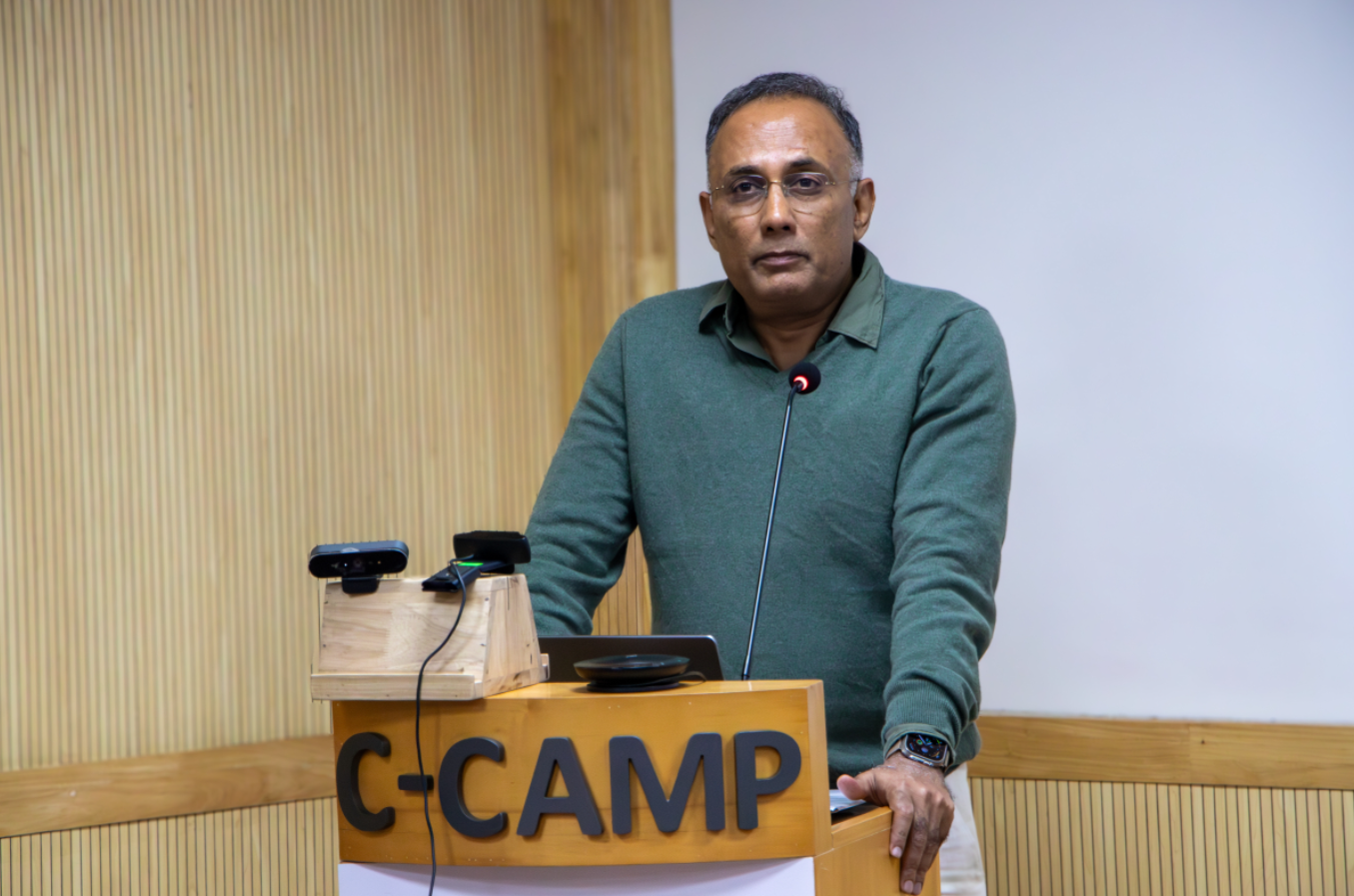
Climate technology is often associated with solar panels, electric vehicles and clean energy. But some of the most useful solutions may come from biology, agriculture and healthcare.
The Centre for Cellular and Molecular Platforms, or C-CAMP, and Ashraya Hastha Trust have selected 11 biology-driven startups for a climate solutions programme. The initiative will provide funding support of up to Rs. 50 lakh for each startup, along with laboratory access, mentoring and help with commercialization as per C-CAMP announcement.
Why this programme matters
C-CAMP’s Centre of Excellence for Sustainability and Climate Action was created to support technologies that connect climate change with health, agriculture, waste and environmental protection.
The programme is not only about giving money to startups. Many science-based companies also need specialized laboratories, testing facilities, scientific guidance, intellectual property support and links to potential customers. C-CAMP aims to provide this wider support, while Ashraya Hastha Trust brings a philanthropy-led focus on social and environmental impact.
C-CAMP has supported several life-science and climate-focused innovations in the past. Ashraya Hastha Trust was established in 2000 by Maj. Retd. S. Nanjundiah and is guided by trustees including Infosys co-founder K. Dinesh, Asha Dinesh, Divvya Dinesh and Deeksha Dinesh as per the details about C-CAMP and AHT partnership.
The 11 startups and their focus areas
The selected companies are working on different problems rather than competing in one single market.
Genepath Diagnostics India is developing an open PCR platform to help detect tropical vector-borne diseases. Prodancy is working on a reusable system designed to reduce biomedical waste generated during surgeries. AeroDel Technology Innovations is developing respiratory monitoring solutions for people affected by air pollution and extreme heat.
In agriculture, Intello Labs uses artificial intelligence to improve the quality assessment and trading of fresh produce. String Bio is developing methane-based growth stimulants aimed at supporting climate-resilient sugarcane farming. Tealaa Innovations is building Aquarobo, a robotic sludge management system for aquaculture ponds.
The environmental and industrial sustainability group includes Ossus Biorenewables, which is working on technology that can convert industrial wastewater into green hydrogen. BPC Bioproducts, also known as Amylo, is developing biodegradable packaging materials.
Earthkind Foods Biotech is building a programmable lipid platform that uses agricultural residues. IIOT Innovation is working on a microalgae-based carbon capture and biorefinery platform. The 11th selected startup, according to the programme coverage, adds another biology-led approach to the portfolio of climate solutions as per the published Selection report.
How the support may be used
The funding can help these startups move from laboratory development to pilot projects. For example, a waste-treatment company may use the money to build a larger demonstration unit, while an agriculture startup may test its product across different soil and crop conditions.
Lab access can reduce development costs. Mentorship may help founders understand regulations, protect their inventions and prepare for future investment. Industry connections can also help startups find companies willing to test or buy their products.
The programme’s larger purpose is to help climate innovations reach real users. A prototype has value only when it works outside the laboratory and can be produced at a practical cost.
Challenges ahead
Climate-tech startups often face long development cycles, strict approvals and high testing expenses. Products used in healthcare, agriculture or industrial facilities also need strong evidence before customers adopt them.
The companies will therefore need to show measurable results, such as lower emissions, reduced waste, better crop performance or improved public-health outcomes. Funding is an important first step, but long-term success will depend on field testing, manufacturing and customer demand.
Conclusion with key takeaways
The C-CAMP and Ashraya Hastha Trust programme brings together biotechnology, climate action and startup development.
Key takeaways –
- Eleven biology-led startups have been selected.
- Each startup may receive funding support of up to Rs. 50 lakh.
- The programme covers climate-health, climate-agriculture and environmental solutions.
- Support includes labs, mentorship, intellectual property guidance and industry access.
- The main goal is to move science-based ideas from research stages to real-world use.
Discover more from Newskart
Subscribe to get the latest posts sent to your email.
